
When a corporation wraps itself in the language of human endurance while polluting the air that athletes breathe, we should name it for what it is. A lost opportunity.
Gerda Steyn crossed the Comrades Marathon finishing line in Pietermaritzburg in 5 hours 44 minutes and 53 seconds, her fifth (and fourth consecutively), setting a new Up Run course record. It was, by any measure, one of the great performances in the history of the race.
Gerda is a Global Team Toyota Athlete. Toyota announced that partnership at last year’s Comrades and it returned with her to the 2026 race.
Two diesel-powered Toyota Hilux vehicles led her to the finish line.
I have spent more than 25 years working at the intersection of energy, environment and community rights in South Africa. In that time, I have seen many examples of corporations saying one thing and doing another. It is particularly disappointing that Toyota seems to have regressed by only providing fossil fuel-powered vehicles at Comrades 2026. This deserves to be examined clearly.
The Language Of Values, The Reality Of Diesel
Before the race, Toyota South Africa issued a release describing its 22-year Comrades partnership as an expression of values ‘deeply aligned with the Toyota brand,’ including ‘human endurance and determination.’ It provided 14 Hilux bakkies, three Quantum mini-buses, two Urban Cruisers and two Starlet Cross models to support the event.
Not one of those vehicles is electric. Toyota produces the BZ4X electric SUV and, through Lexus, the RZ 450e. Neither appears in the Comrades fleet. The official lead vehicles for the route from Durban to Pietermaritzburg were two diesel Hilux models, burning diesel directly in front of runners for hours on end.
When the language of human spirit is used to sell a brand while exhaust emissions from that brand’s products harm the environment and the health of the people it claims to celebrate, that is a contradiction dressed in marketing.
What The Science Tells Us About Diesel And Human Health
I am a scientist by training. I rely on evidence. There have been a number of published peer reviewed articles that show that breathing in diesel fumes is not good for your health.
Diesel particles cause inflammation in the body. A controlled chamber study by Xu et al., published in Particle and Fibre Toxicology, found that healthy volunteers exposed to diesel exhaust for three hours showed measurable drops in lung function, airway irritation, and elevated inflammatory markers in the blood.
A 2021 peer-reviewed study in PeerJ by Zoladz and Nieckarz found that elite marathon runners ventilate at over 110 litres of air per minute during a race, absorbing substantially more particulate matter than a person at rest. The researchers called for ‘clean air marathon runs’ as a public health measure. A 2024 Brown University study in Sports Medicine quantified the performance effect: higher race-day air pollution could mean slower finish times.
“It’s a missed opportunity. Leading the Comrades Marathon in an electric vehicle would have promoted the brand, the safety of electric vehicles, and the lack of harm. It is slightly incongruous that you are leading a marathon with a diesel engine,” said Professor Richard van Zyl-Smit, professor of pulmonology at the University of Cape Town and Groote Schuur Hospital. “Diesel particles are known to cause inflammation in the body. They are associated with cardiovascular disease and the development of asthma.”
Van Zyl-Smit is right. And there is a further dimension to this that goes beyond the elite runners at the front of the field.
The runners who spend twelve hours on the Comrades route are not professional athletes with medical teams and optimal conditions. They are ordinary South Africans, many from communities that already bear a disproportionate burden of air pollution from industry, traffic and energy poverty.
Every runner on that road was already breathing elevated levels of traffic pollution on a public highway for up to twelve hours, with lungs working at many times their resting capacity.
Instead of seizing the opportunity to promote the future and highlight how electric vehicles can showcase a future driven by clean transport, Toyota disappointingly chose to supply a fossil fuel fleet as the official, branded, celebrated centrepiece of a race-day environment that in my view should have focused on clean air.
The Athlete In The Exhaust
The Gerda Steyn detail sharpens this further. Toyota announced her as a Global Team Toyota Athlete in 2025. She returned to Comrades in that capacity and won, emphatically, smashing her own Up Run record by nearly five minutes and becoming only the second woman in history to claim five Comrades titles.
South Africa and Toyota will celebrate that, as it should. But Steyn, ventilating at elite pace for nearly six hours, was absorbing airborne particulate matter every step along the road.
Why not lead with a fully-electric vehicle?
The Technology Exists. So Why Not Showcase It?
In 2025, Toyota led the Comrades elite races with a Corolla Cross Hybrid. In 2026, it was replaced by a diesel Hilux, a vehicle that burns more fuel, not less. The Toyota BZ4X has a range of over 400 km on a single charge. The Comrades route is 86 km. Other major marathons have already made the shift: the 2025 Berlin Marathon was led by an all-electric BMW iX3, and the London Marathon is supported by an all-electric Ford fleet.
There are various electric vehicle initiatives underway in South Africa. For example, for logistics and people-mover duties, peer-reviewed research by Professor Thinus Booysen and Joshua Sello of Stellenbosch University (conducted in partnership with GoMetro) has demonstrated that electric minibus taxis are operationally viable in South African conditions.
Toyota has previously shown a willingness to supply even rare, commercially unavailable vehicles when it suits the brand. In October 2023, it brought a hydrogen-powered Mirai to the Smarter Mobility Africa Summit in Gauteng for a proof-of-concept demonstration, with the Gauteng Premier in the passenger seat. The Mirai is not for sale in South Africa. Toyota went to the effort regardless. The will to deploy experimental technology for brand purposes exists. Why not seize the opportunity to deploy existing, locally available electric vehicle technology that showcases the future in front of 21 000 runners and a much larger television audience?
The CMA Must Account For Its Choices Too
Toyota does not operate at Comrades without the agreement of the Comrades Marathon Association. Sponsorship contracts are negotiated. The CMA has the standing to require that its official vehicle partner supply electric vehicles and also engage a zero-emissions logistics provider. Neither condition was apparently set.
The CMA’s theme for 2026 is “Ska Fela Moya.” “Don’t give up.” Those words carry weight for everyone who has kept moving through the pain of the last 20 kilometres. But clean air is not a luxury for marathon runners. It is the medium through which they perform. Toyota and the CMA missed the opportunity to deploy electric vehicles and demonstrate that the future of transport is clean, consistent with their celebration of human endurance and determination.
The 100th Comrades Is Eleven Months Away
We live in climate-constrained world, and a move to electric vehicles is an important part of our just energy transition package. South Africa’s Just Energy Transition (JET) aims to decarbonize the economy while protecting vulnerable workers and communities, and its Electric Vehicles White Paper predicts that 75% of total new vehicle sales by 2035 will be electric vehicles. There appears to be an amazing opportunity to showcase South Africa as a country which is moving away from polluting fossil fuels, and that Toyota is committed to leading this charge.
The 2027 Comrades Marathon will be the 100th edition of the race. It will draw global attention and carry symbolic weight that goes well beyond a single sporting event. It is an opportunity to demonstrate what South African sport, and Toyota, stand for over the next 100 years.
A fully electric lead vehicle and fleet at the centenary Comrades would be a genuine expression of the values of sustainability and endurance that lie behind ensuring another 100 years of long-distance running. Corporate environmental responsibility is not measured in mission statements. It is measured in decisions that make a difference in the real world: in this case, what you burn and what you do not burn, and whose air you choose to protect and whose you choose to compromise.
Let us ensure that the 100-year celebration of The Comrades Marathon is a celebration of human endurance and determination to move towards electric-driven mobility.
Liziwe McDaid is Strategic Lead at The Green Connection and co-recipient of the 2018 Goldman Environmental Prize for Africa.
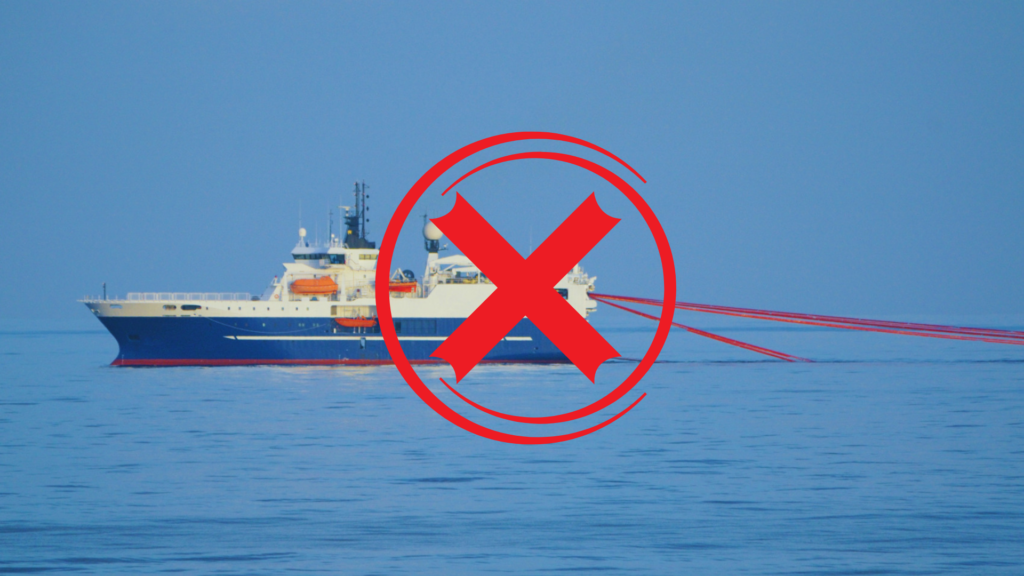
WEST COAST SEISMIC SURVEY CASE MOVES CLOSER TO HEARING
This Energy Month, the legal challenge between Aukotowa Fisheries Primary Co-operative, The Green Connection, and Natural Justice (the Applicants), and the government together with TGS Geophysical Company UK Ltd (the Respondents), concerning authorisation for offshore seismic surveys along South Africa’s West Coast and Northern Cape coastline, has entered a critical new phase.
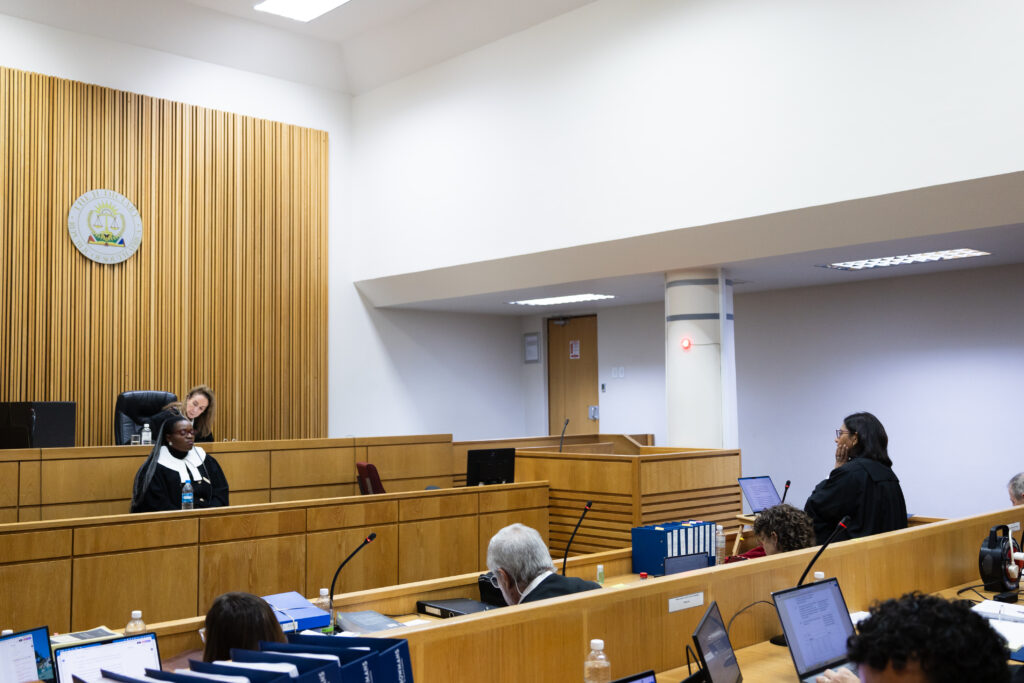
JUDGMENT RESERVED: HIGH COURT CONSIDERS ARGUMENTS CHALLENGING WEST COAST SEISMIC SURVEY APPROVAL
On Tuesday afternoon, the Western Cape High Court concluded a two-day hearing in the ongoing legal challenge by Aukotowa Fisheries Primary Co-operative, The Green Connection and Natural Justice (the Applicants) against the State and TGS Geophysical Company UK Ltd.
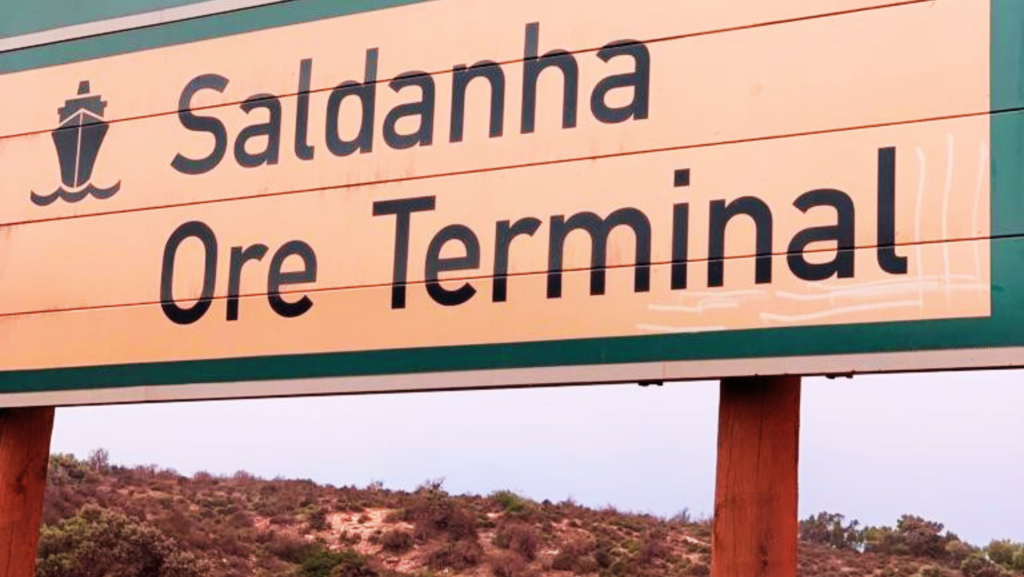
Saldanha Red Dust Emissions Decision Referred to National Environment Department
On 25 June 2026, The Green Connection welcomed the West Coast District Municipality’s decision to reject Transnet Port Terminals’ application to renew an Atmospheric Emission Licence (AEL) for the Saldanha Iron Ore Terminal.
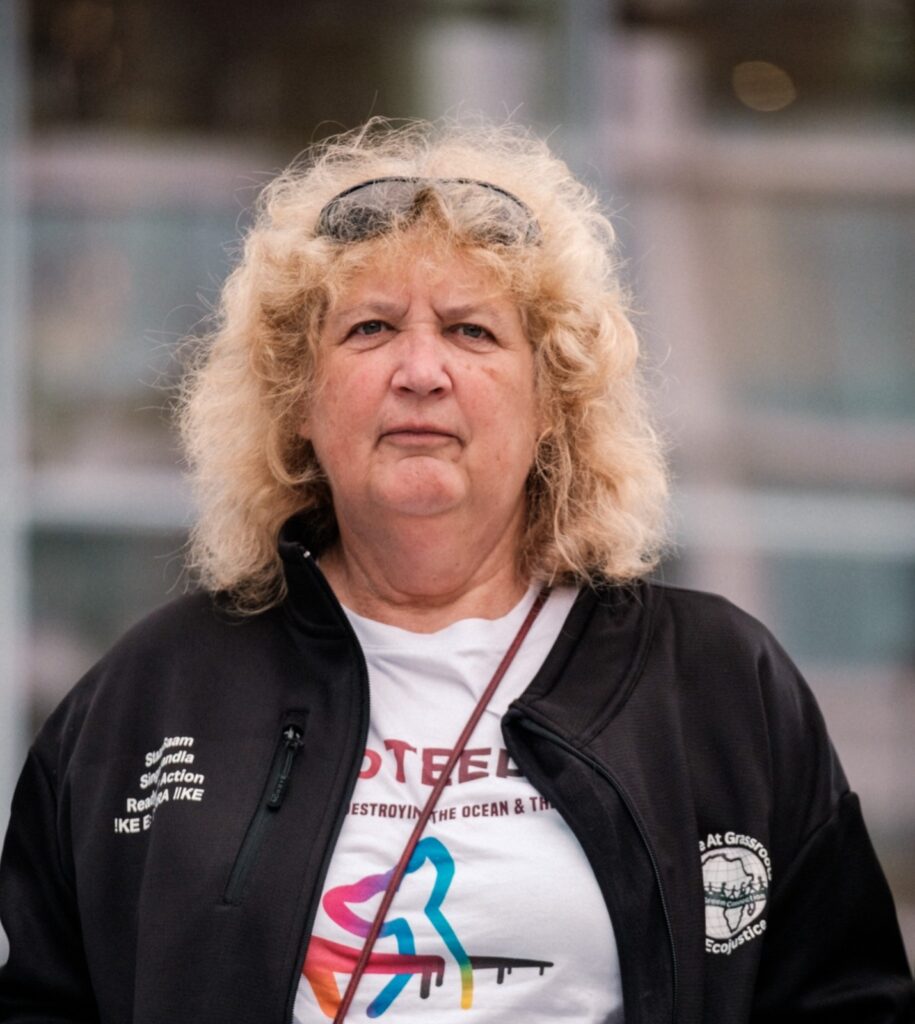
(Op-Ed) Ska Fela Moya: Don’t Give Up, Just Breathe The Fumes
When a corporation wraps itself in the language of human endurance while polluting the air that athletes breathe, we should name it for what it is. A lost opportunity.