The Green Connection reiterates that transparency, procedural fairness and meaningful public participation must remain central throughout the next phase of the application process. The organisation will continue to monitor developments closely and keep affected communities and the public informed as further information becomes available.
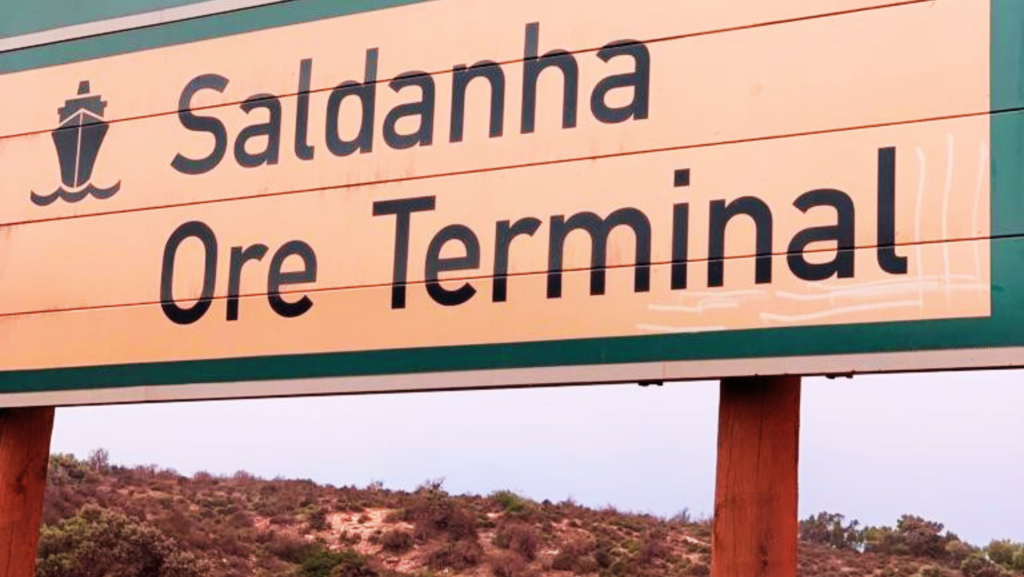
According to the RDAG, “For too long, communities across Saldanha Bay and the greater west coast have raised deep concerns regarding dust pollution and its impacts on quality of life. Residents have repeatedly called for meaningful intervention, stronger mitigation measures, greater accountability, and a commitment to operational practices that prevent pollution before it occurs.”
Local communities and RDAG also raised concerns about the application’s failure to properly assess cumulative environmental impacts, treating terminal operations in isolation despite a significant increase in throughput volumes without corresponding upgrades to infrastructure, monitoring or mitigation. The absence of an updated baseline environmental assessment, dust dispersion modelling and specialist studies left serious uncertainty about the true environmental impact under West Coast conditions, including high-wind events,” adds Singh.
Beyond the procedural shortcomings, The Green Connection agrees with RDAG that the application is substantively deficient. It did not adequately describe the handling (and the frequency) of ore spillages and associated dust generation, lacked clarity on potential chemical dust suppression methods, and included no rigorous assessment of the environmental and ecological risks these systems pose to soil health and the sensitive marine environment. Rejecting an incomplete application reinforces the principle that applicants must demonstrate upfront that their operations can be conducted safely, responsibly, and transparently.
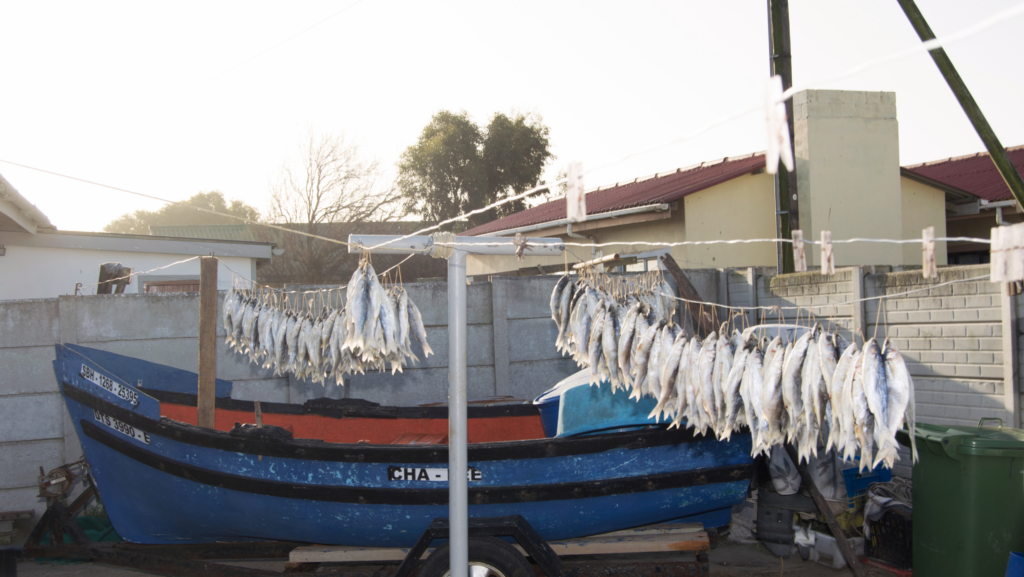
The decision is particularly significant for small-scale fishing communities in Saldanha, whose livelihoods depend on a healthy marine ecosystem and whose concerns underscore the real-world consequences of environmental degradation. Evidence shows pollution may have already compromised their catch and value-added products, threatening food security and income. Persistent dust and community complaints highlight the need for stronger enforcement. Given the terminal’s proximity to the Langebaan Lagoon a wetland of international importance continued dust deposition poses a serious risk to biodiversity, environmental sustainability, and coastal livelihoods.
“For small-scale fishers, this is not just an environmental issue. The dust and pollution are more than statistics for us because they affect our daily lives, our health, and our ability to earn a living. This is about our dignity and our survival. The health of the ocean directly determines the wellbeing of our communities. Therefore, any future licences must include strict dust controls, independent monitoring, transparent reporting, and enforceable penalties, including provisions to halt operations during major pollution events,” says Christie Links, a small-scale fisher from the West Coast and Chairperson of Saldiaz Cooperative.
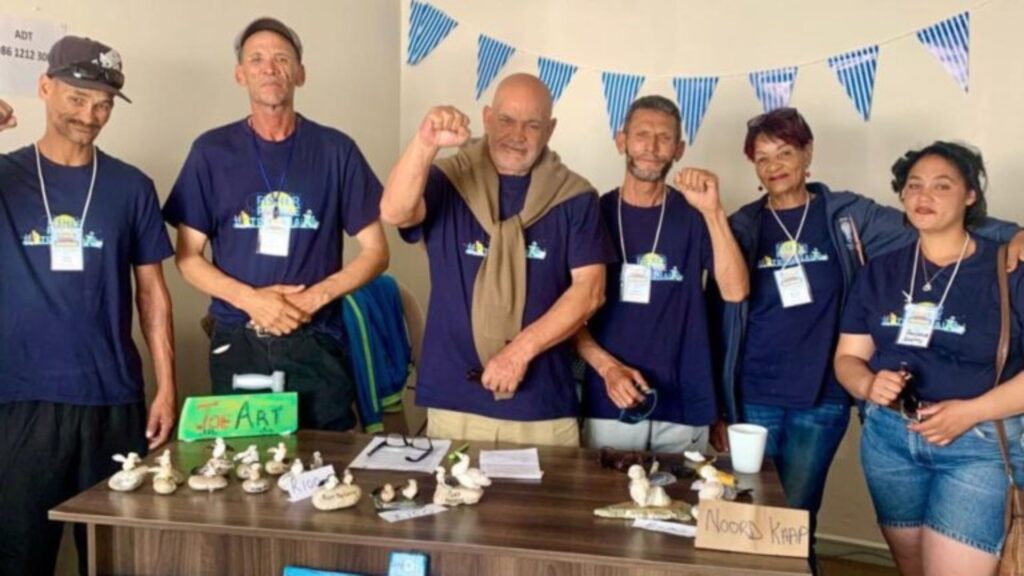
The Green Connection stands in solidarity with the small-scale fishers and community groups of Saldanha, and recognises the critical role of civil society, including the Red Dust Action Group, in advancing environmental accountability. The organisation calls for any future decision making process to be transparent, scientifically robust and aligned with a zero-fallout operational model that protects both people and the environment.
The referral to DFFE should therefore be used to strengthen regulatory oversight and ensure that any licence conditions include transparent reporting of pollution incidents, enforceable penalties for non-compliance, improved operational controls and mandatory Stop-Works provisions, allowing authorities to immediately halt operations in the event of pollution exceedances or equipment failures until full compliance is independently verified.
“These are not unreasonable demands,” adds Singh. “They are the minimum safeguards needed to ensure that industrial activity does not come at the cost of people’s health, environmental integrity, and long-term sustainability.”
The Green Connection remains committed to working alongside affected communities and regulators to ensure that any future licence application meets the highest standards of environmental stewardship, transparency and public participation. The matter should not be interpreted as opposition to economic growth, but as confirmation that development must take place responsibly with effective pollution controls, independent oversight and respect for the constitutional right to an environment that is not harmful to health or wellbeing.