
Powering A Just Energy Future
Overview
As South Africa transitions from a high-carbon to a low-carbon economy, it must address a fundamental question: who benefits from this transition? A Just Energy Transition (JET) requires more than technological change, it demands a social, environmental, political, and economic transformation that places people at the centre of energy decisions. POWERING A JUST ENERGY FUTURE brings together research, advocacy and community voices to champion how South Africa can build an energy system that is fair, inclusive, accountable and resilient.
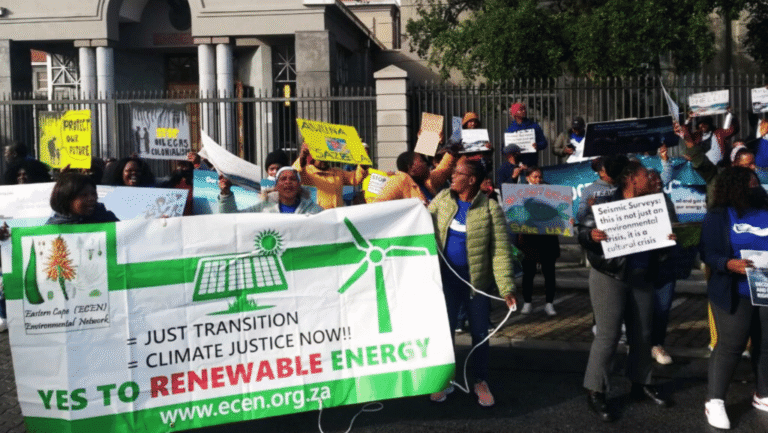
Renewable energy is generated from naturally replenishing sources such as sunlight, wind, and water. It offers a pathway to produce electricity, reduce greenhouse gas emissions and build a more sustainable future. Yet its potential remains unrealised without deliberate action. Communities most vulnerable to climate change must engage meaningfully in the transition to contribute to policies and projects that affect their lives and livelihoods. Equally, energy decisions must be transparent, accountable, and grounded in principles of environmental protection and economic resilience.
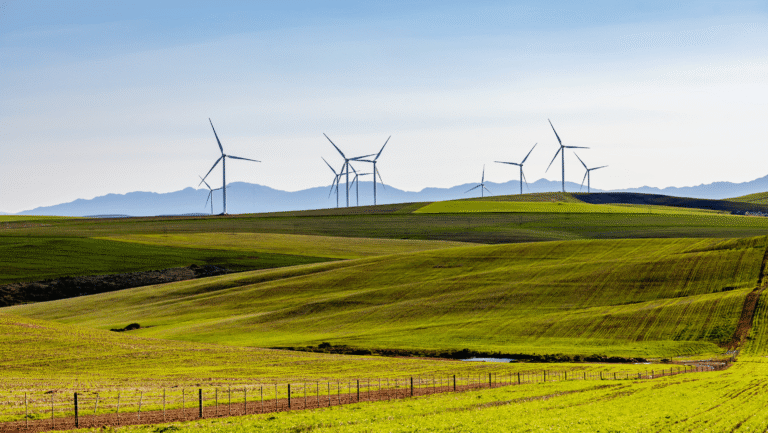
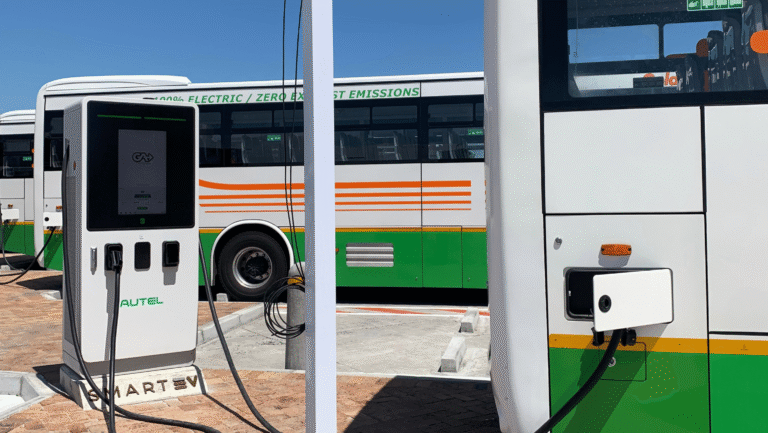
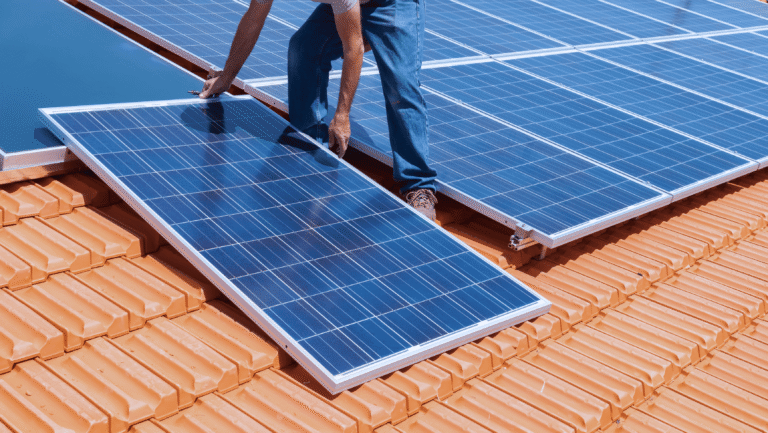
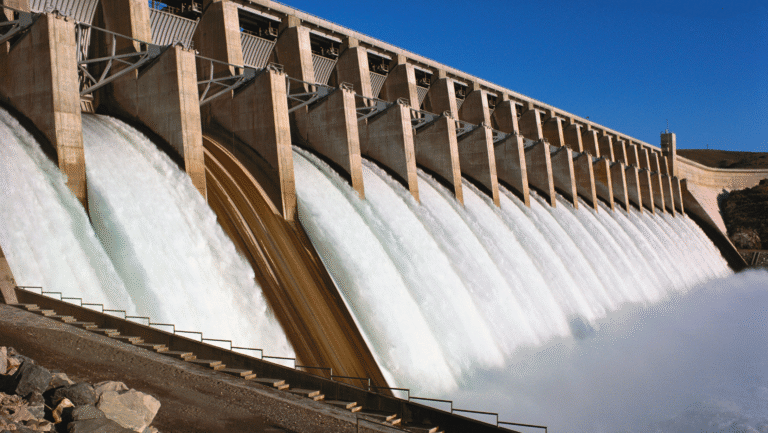
The International Renewable Energy Agency (IRENA) report notes that the success of the energy transition is dependent on the transformation of the global energy sector from fossil fuels to climate-friendly technologies. Climate change studies conducted by the Centre for Environmental Rights highlight that South Africa remains vulnerable to climate change due to its geographic position, leading to an urgent need for the government to implement policies that will reduce greenhouse gas emissions. South Africa’s transition to a low-carbon economy speaks to addressing the impacts of climate change while creating more opportunities and re-skilling people already employed in the fossil fuel sector. As South Africa pursues a just energy transition through Just Energy Transition Partnerships, it remains critical for government to ensure economic resilience and meaningful participation is at the centre of decision-making.
The Green Connection advocates for building economic resilience through the Just Energy Transition Framework as means to ensure that energy decisions are people-centred and deliver meaningful benefits to communities already bearing the brunt of climate change.
Energy Governance South Africa (EG-SA) emerged from the Electricity Governance Initiative (EGI), a global network that brings together key actors in the energy sector to advocate for transparent, inclusive, and accountable decision-making processes. EG-SA champions the same principles within South Africa’s energy landscape. The Green Connection is proud to have been a founding member of the network and remains an active participant. Energy research papers were published under EG-SA in 2014 with key recommendations on the 2010 electricity plan particularly on Renewable Energy Independent Power Producer Procurement Programme (REIP4). Out of the REIP4 report, there were key recommendations.
- Local beneficiation for communities and the importance of addressing failed Social Labour Plans (SLPs)as South Africa introduced renewable energy projects.
- Need for clear indication and meaningful engagement with communities on how they would benefit from the development of renewable energy projects as SLPs continued to fail. A transition must build economic resilience in communities and address climate risks
REIP4 report key recommendations were on;
- Local beneficiation for communities and the importance of addressing failed Social Labour Plans (SLPs)as South Africa introduced renewable energy projects.
- Need for clear indication and meaningful engagement with communities on how they would benefit from the development of renewable energy projects as SLPs continued to fail. A transition must build economic resilience in communities and address climate risks.
Communities In the Transition
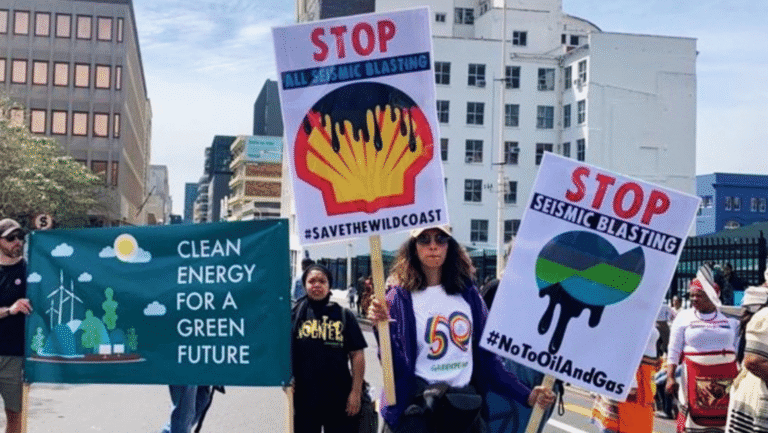
Systemic barriers continue to obstruct access to socially owned renewable energy alternatives, reinforcing harmful narratives such as the idea that ‘a world without fossil fuels is impossible’, while government promotes gas as a so-called ‘transition fuel’. In reality South Africans are already paying the price for climate change and the risks could exacerbate as methane emissions are more potent over a 20 year period than those of carbon dioxide. There are more risks of citizens carrying the costs if the country becomes dependent on gas as it is priced internationally. But strategic energy opportunities exist particularly given that South Africa is well positioned in terms of wind and solar. These opportunities extend to minerals needed to produce many renewable energy technologies, including transition minerals.
What Are Transition Minerals?
Transition minerals such as copper, lithium and cobalt are natural resources that contribute to the make of many modern products such as; electric vehicles, solar panels, wind turbines, batteries, smartphones and other technologies. These minerals are becoming increasingly important as countries move away from fossil fuels towards cleaner, low-carbon technologies. Africa has significant deposits of many of these minerals. As a result, this creates opportunities for local processing, job creation and economic development for JET within African communities.
- Lithium and cobalt are important for making batteries used in electric vehicles and energy storage.
- Copper is needed for solar panels, wind turbines, electricity networks and electric vehicles, with deposits found in parts of Northern Cape, South Africa.
The demand for these minerals is growing rapidly.

- Clean energy and reducing emissions – countries are investing in renewable energy such as solar and wind power.
- Infrastructure and construction – expanding electricity grids, transport systems and renewable energy infrastructure requires large quantities of minerals.
- Energy efficiency and sustainable consumption – businesses and consumers are looking for ways to use energy more efficiently and sustainably.
- Digital technology – phones, computers and other digital technologies require a range of minerals.
- Electric vehicles – such vehicles require minerals such as lithium, cobalt, nickel, copper and graphite.
- Industrial development – minerals are needed for both traditional industries and newer technologies.
Transition Minerals and Community Rights
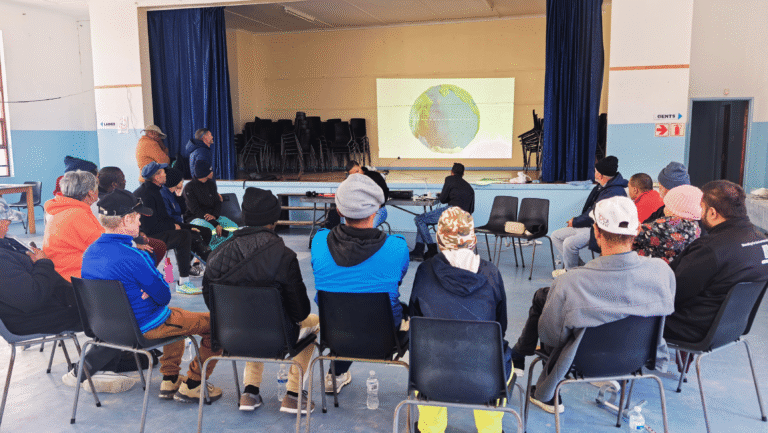
The demand for transition minerals risks replicating injustices of the past if not done correctly as countries pivot to renewables and green industrialisation. Communities that have experienced little to no engagement with fossil fuel projects are now being asked to navigate complex issues related to transition minerals. While rehabilitation of degraded lands due to the fossil fuel industry hasn’t been addressed, the increased demand in the transition mineral sector doesn’t mean Free Prior Informed Consent won’t apply as community rights should be upheld and a right to say no should be considered. Communities must be equipped with the knowledge, resources, and opportunities to participate meaningfully in decisions about transition minerals, local development, and the future of their regions.
Building community resilience is equally important. Supporting local development initiatives, sustainable food systems, and the protection of limited land resources helps communities adapt to the increasing impacts of climate-related disasters while safeguarding their livelihoods for generations to come.

Policy Framework
South Africa is at a critical point at ensuring development doesn’t leave anyone behind which means
future energy planning remains important to ensure the country reaches it’s climate commitments.
- Attend public hearings on energy and electricity issues in your community.
- Join community meetings and help shape local energy decisions.
- Have your say by responding to public calls for comment on energy laws and policies.
- Vote in local elections to strengthen accountable leadership and influence decisions that affect your community.
- Support organizations advancing a just and sustainable energy transition through donations.
- Stay informed by following us on social media for updates and opportunities to get involved.
- Share information with your family, friends and community to help build awareness and inspire action.