South Africa’s Just Energy Transition (JET) has been riddled with top-down decision making while grassroots communities suffer from weak energy infrastructure and are in dire need of a stable energy supply and yet have no meaningful voice. Led by the government and international partnerships, the JET has– up to now– failed to consult grassroot communities to establish their needs and include them in effective decision-making on energy projects.

Commenting in a Just Energy Transition Webinar– hosted by The Green Connection earlier this month– Nontle Mbuthuma of the Amadiba Crisis Committee in the Wild Coast said, “among the many challenges that the Wild Coast community is faced with is unstable electricity infrastructure. We are supported by a very weak grid, when it is windy the electricity goes, when it is raining the electricity goes. We also have the issue of extractivism of fossil fuels. It is as though fossil fuels are the only energy solution in our country when there are more reliable renewable energy alternatives. We have people dying on the ground because of fossil fuel extraction, but nobody cares.”
Renewable energy generation– which is a safer and cheaper alternative to fossil fuel energy generation– has enormous potential to make economic impact on job creation and local entrepreneur participation. However, the JET Funding Platform which was initiated by the International Partners Group (IPG) in 2021, now led by the Presidential Climate Commission, is yet to address to the needs of young people and their economic inclusion and participation in the energy transition. The government has an opportunity to use the 4.7billion euro donation from the European Union to advance the JET and include the youth, local and community entrepreneurs in the green energy sector.
Government’s stride towards an inclusive just energy transition is moving at a
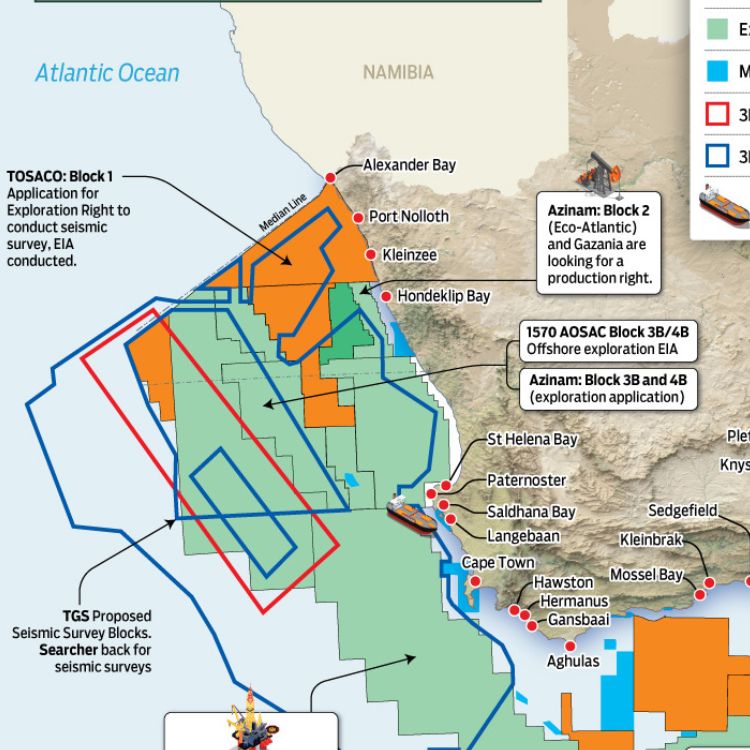
snail’s pace while continued infrastructure capacitation for fossil fuel generation is moving at rapid speed. The first draft of the IEP is only due on 31 March 2025, after a year-long drafting process, before it can be reviewed for public participation. Ninety percent of South African oceans are under lease, by multinationals, for oil and gas exploration and extraction- at any given moment- leaving marginalised communities to bear the brunt of environmental damage. Eskom has just expanded coal-fired energy generation at Kusile Power Station by 800MW.

An inclusive and community-focused IEP is one that addresses energy poverty, energy access and the urgent need to tackle climate change with the bottom-up approach being a central principle. With multinational corporations developing interest in oil and gas exploitation along the coast of South Africa, coastal communities have been struggling to advocate for sustainable ocean governance as means to protect and preserve their livelihood. The energy plan comes at a time when vulnerable communities suffer from limited energy access in South Africa.


“The preamble of the South African Constitution declares every citizen’s right to participate in the economy. Determinations for participation, equal access to opportunities, protection of property, freedom to trade, and socio-economic support have been made. Communities have a right to decide for themselves how the just energy transition projects will benefit or affect them and what is acceptable. Transparency and consultation on the part of government regarding energy projects, which they bring to the communities, is crucial and up to now the government and the private sector have been lacking in transparency. If the communities do not benefit and address existing unjust power relations– for example ownership, from the transition– then it is not just. If it is not just, then it is not for us.” says Makhaula.

ENVIRONMENTAL JUSTICE GROUPS SOUND ALARM OVER MANY RISKS OF WEST COAST OFFSHORE OIL AND GAS PROJECT
Last Friday 10 May 2024, The Green Connection and Natural Justice submitted comments, on the revised Environmental Impact Assessment report (EIA) concerning the offshore oil and gas Exploration Right (ER) for Block 3B/4B. The comments were supported by Masifundise Development Trust.
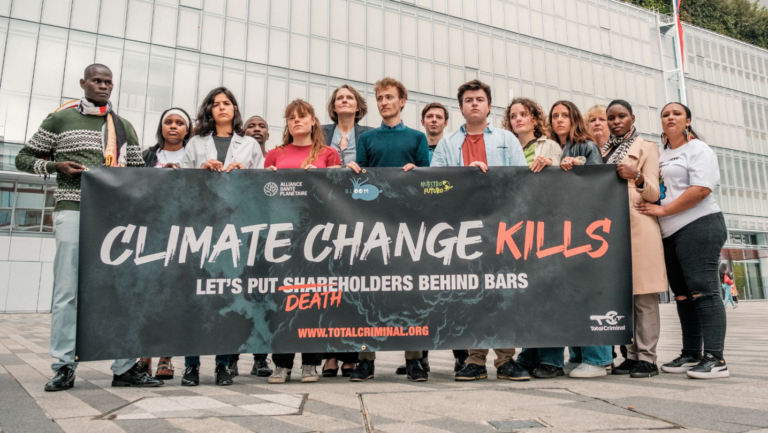
THE GREEN CONNECTION IN FRANCE, WITH SA SMALL-SCALE FISHERS, SUPPORTING A CRIMINAL CLIMATE CHANGE COMPLAINT AGAINST TOTALENERGIES
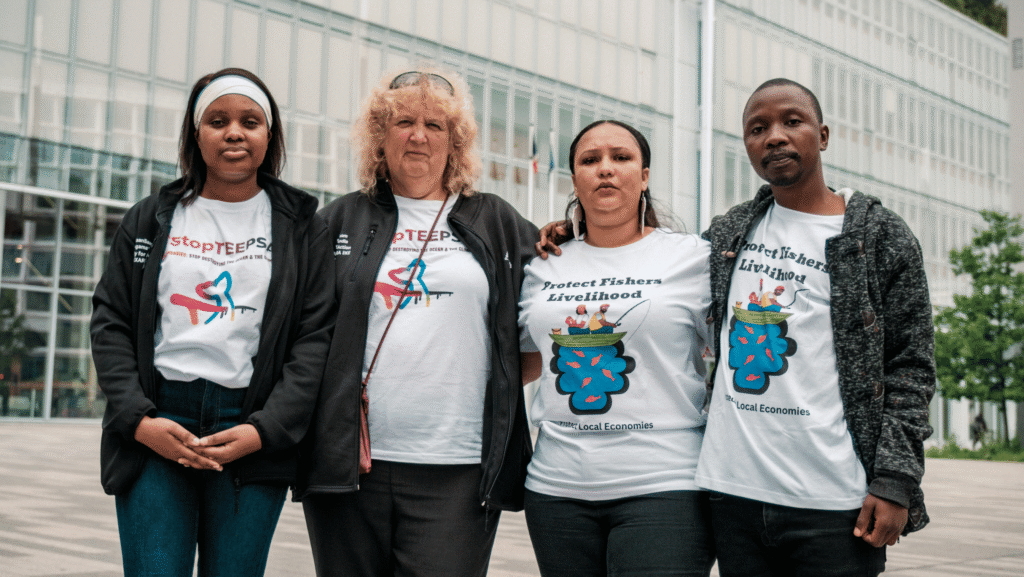
This week, The Green Connection and small-scale fishers from South Africa are in Paris France to support French NGOs and climate change victims as they file a criminal complaint against TotalEnergies’ board of directors and shareholders “for their contribution to climate change and its fatal impact on human and non-human lives.”
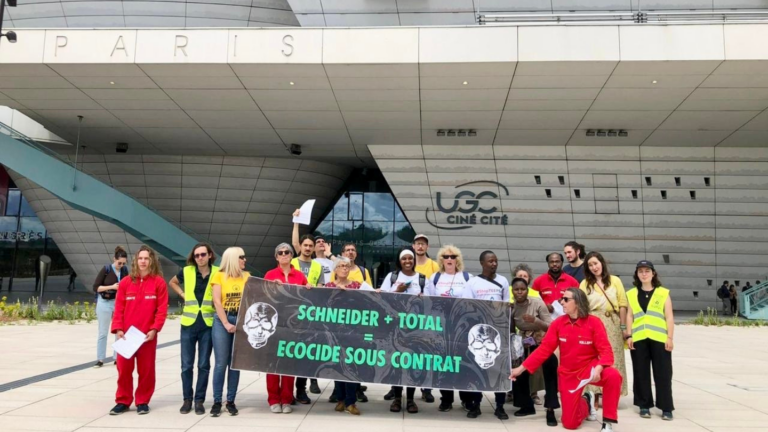
MASSIVE OPPOSITION GROWS AS SOUTH AFRICA AND FRANCE PROTEST TOTALENERGIES OFFSHORE OIL AND GAS PROJECTS
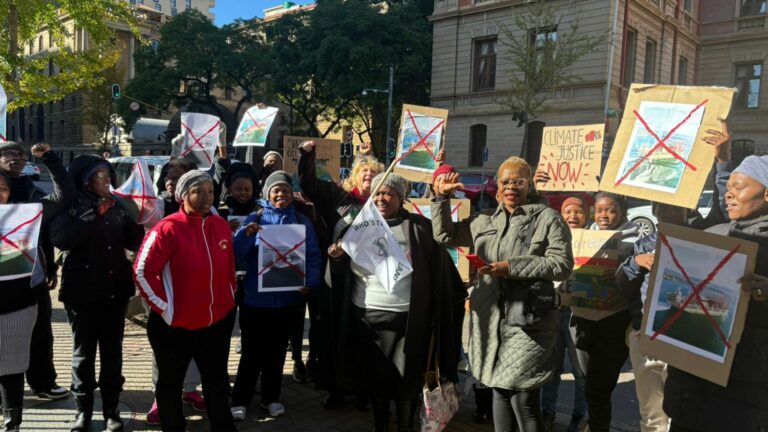
Paris, France and Johannesburg, South Africa – During the week of TotalEnergies’ Annual General Meeting (AGM) (to be held today 24 May 2024) and Africa Day, protesters in both South Africa and France continue voicing their collective opposition to the multinationals’ ongoing offshore oil and gas projects.
Karpower – Could Cost An Arm And A Leg And Our Oceans And Environment
It is the start of Environment Month and this week – on Tuesday 4 June 2024 – The Green Connection is back in court, this time to ‘force’ the National Energy Regulator of South Africa’s (Nersa) and the Department of Mineral Resources and Energy (DMRE) to supply critical information regarding the Karpowerships deals.
Total’s Decision Should Be Seen As An Opportunity To Re-Evaluate SA’s Energy Strategy And Accelerate The Just Transition
The Green Connection say that they are relieved to hear that TotalEnergies may abandon its offshore production right application to exploit an estimated 1 billion barrels of oil equivalent from the Brulpadda and Luiperd gas fields in Block 11B/12B. This block is located off South Africa’s south coast and is situated between Mossel Bay and Cape St. Francis.
The Green Connection Welcomes Announcement: TotalEnergies To Abandon Blocks 11B/12B And 5/6/7 In South Africa
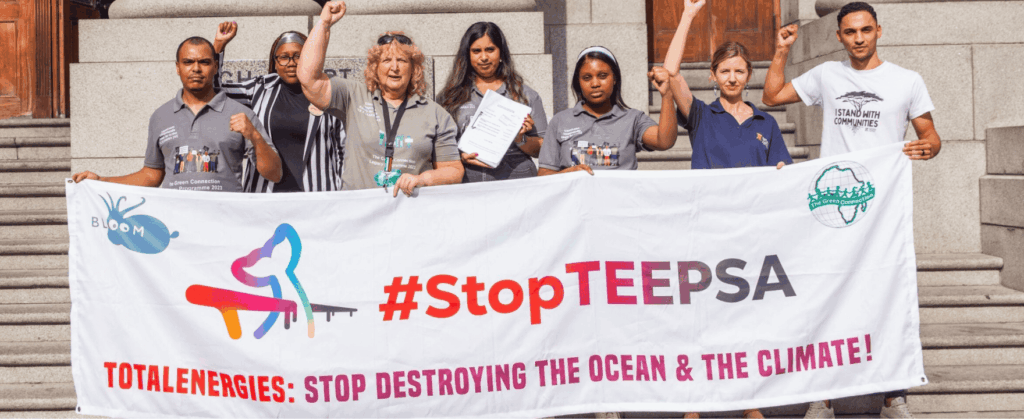
Cape Town, South Africa – The Green Connection welcomes TotalEnergies’ recent announcement to abandon two of the four blocks it has exploration and production rights to, in South Africa.
