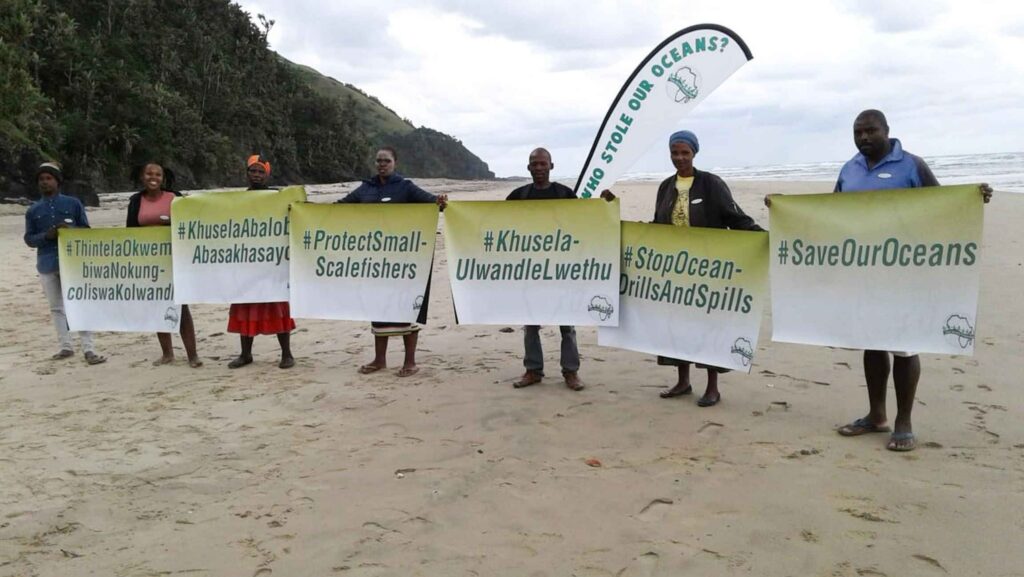
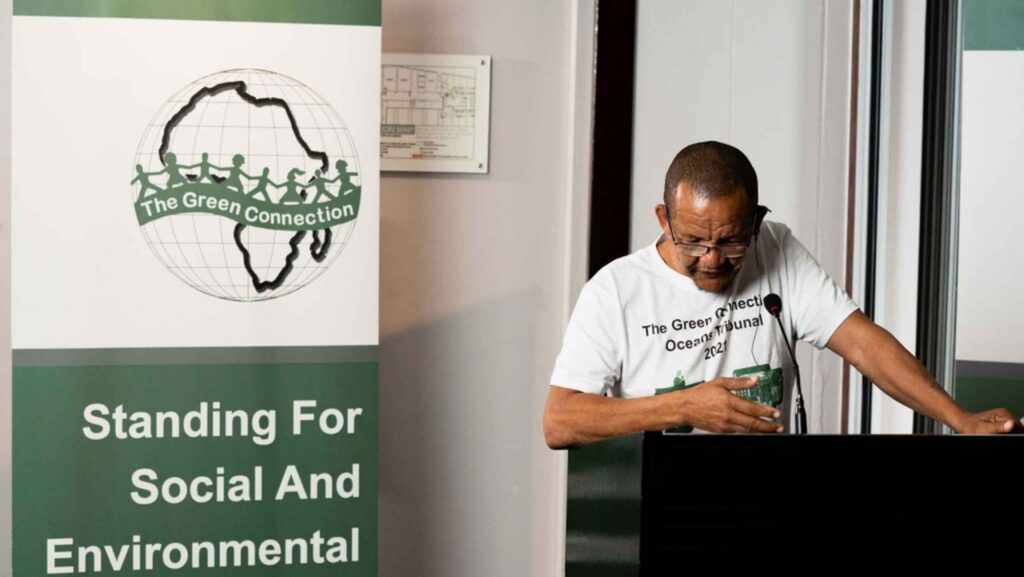
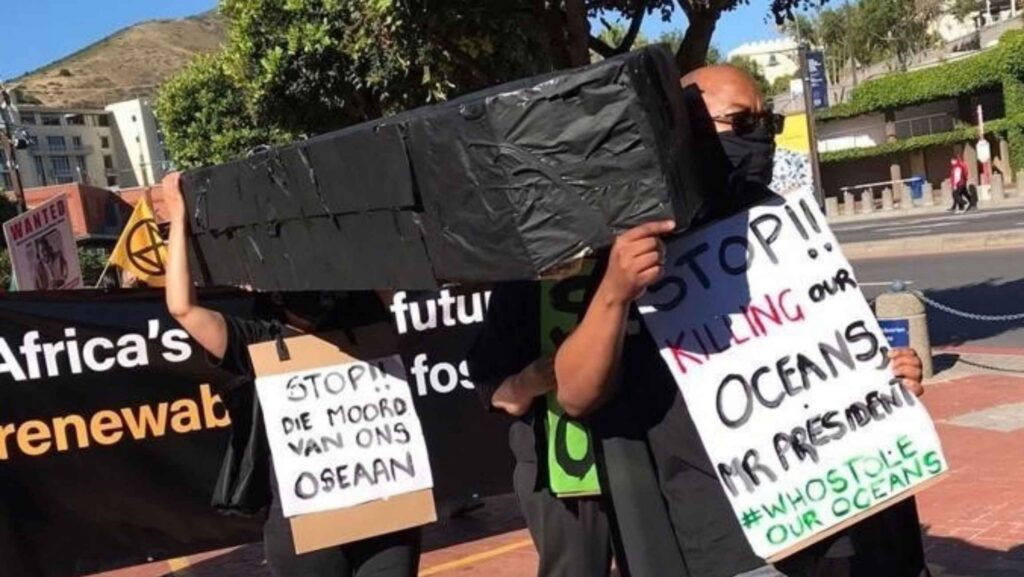
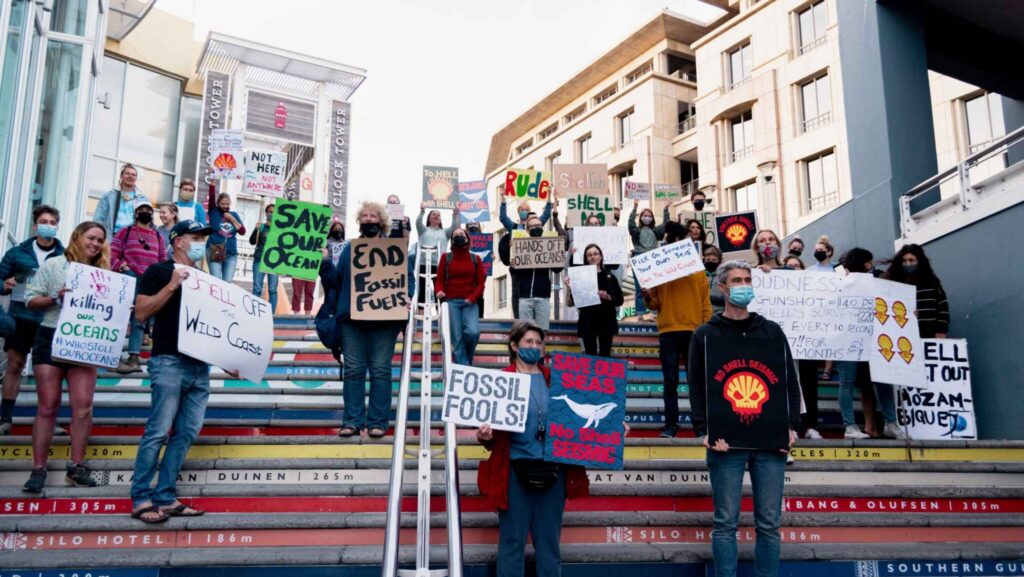
This warning is another call to government to heed the concerns of the public, especially as Africa Climate Week (2–6 September) and the Africa Climate Summit in Addis Ababa (8–10 September) brought the continent’s climate commitments into sharp focus. According to The Green Connection’s Advocacy Officer, Lisa Makaula, “Climate change is not an abstract threat, it is already affecting people’s lives. From the floods in KwaZulu-Natal to droughts in the Eastern Cape, the impacts are real and immediate. This is why good, strong governance is essential if South Africa is to reduce climate risks and protect livelihoods. With just five years until the 2030 deadline – to cut carbon emissions and keep global temperatures from exceeding the 1.5-2°C threshold, we are of the opinion that South Africa’s draft NDCs not only underestimates the scale of the climate crisis, but it also misses opportunities to protect communities from the extreme weather that is already devastating lives. Without urgent and well-governed action, the situation may only worsen.”
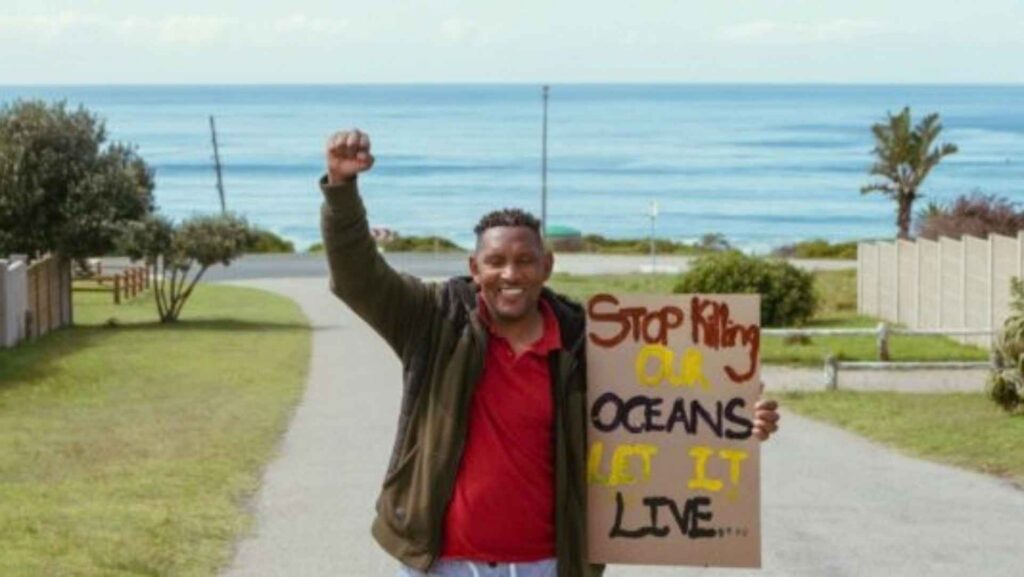
The eco-justice organisation also highlights that the draft NDC may not sufficiently take into account the risks posed by gas expansion in the energy sector, a concern made worse by the proposed 2025 Integrated Resource Plan (IRP), which promotes expensive energy technologies, such as gas. Since the energy sector is the country’s largest source of emissions, this policy direction would directly undermine South Africa’s ability to meet its climate targets, especially since methane emissions are around 82 times more potent than carbon dioxide, over a 20-year period. The Green Connection warns that without a clear Integrated Energy Plan (IEP), to guide how various sectors will decarbonise, the country risks being locked into high-emission pathways that may threaten marine biodiversity, small-scale fisheries, and food security. For coastal communities that rely on healthy oceans for their survival, we believe that that the draft NDCs barely address these critical areas.
The Green Connection’s Strategic Lead, Liz McDaid stresses, “Increased offshore oil and gas exploration may contradict the urgent need to accelerate a just energy transition. At a time like this, continued investment in coal, oil, and gas could lock the country into high-emission pathways. Expanding oil and gas operations may endanger livelihoods and could also increase the likelihood of environmental disasters that climate-vulnerable communities cannot afford.”
“It is our opinion that the draft NDCs fail to fully confront these risks, leaving a critical gap in adaptation planning and ocean governance, especially with South Africa’s coastal regions already experiencing the compounded impacts of floods, storms, and rising sea levels. This Heritage Month is a timely reminder that climate action is also about preserving our cultural and ecological heritage – our coasts and the communities that depend on them, cannot wait,” says McDaid.
Furthermore, the draft NDCs also do not sufficiently reflect the governance challenges that inevitably accompany fossil fuel projects, and which appear to exacerbate climate impacts. There are already several examples of weak enforcement of air quality laws and a lack of protection for marine ecosystems.
Regarding South Africa’s commitments on loss and damage, there has been some progress, particularly in integrating disaster management through national legislation and mechanisms like the Green Climate Fund. However, without clear targets, periodic reporting, and scaled-up finance, vulnerable communities will remain exposed.
Makaula adds, “Here we must emphasize the importance of nature-based solutions to strengthen climate resilience, protect fisheries, mangroves, and water catchments. These are solutions that will create jobs while addressing environmental degradation that may come from mining and other pressures. Ultimately, South Africa must ensure that its NDCs align with science, international commitments, and the principles of a just transition. All these efforts should go toward ensuring that we leave no one behind.”
Transparency is critical. Therefore, the NDC must clearly outline absolute emission reductions, assumptions related to land use and forestry, and CO₂ removals. It should align with national, regional, and local development plans to ensure consistency across governance levels. As South Africa transitions from a high- to low-carbon economy, robust legal frameworks will become essential to manage climate risks while centring development on the needs of vulnerable communities. The Green Connection believes that this holistic approach will help secure a just, inclusive, and sustainable future.
Makaula concludes, “The draft NDC should be seen as a living document that drives urgent, transparent, and inclusive action. This includes integrating community voices, particularly from Indigenous Peoples, women, and youth, while ensuring that adaptation and mitigation strategies are ambitious, actionable, and fully financed. Protecting oceans and coastal ecosystems must be central to these plans, as they are critical for food security, climate stability, and the preservation of cultural heritage.”
The Green Connection argues that while climate change is already destroying lives, livelihoods, and ecosystems, the current draft NDCs lack the bold, science-based action needed to confront this crisis. We believe that by ignoring loss and damage and failing to set a credible path for deep emission cuts, government is abandoning the country’s most vulnerable communities. When the final is presented in New York, later this year, we hope to see stronger, more ambitious, and fully financed NDCs. This is the only way to safeguard South Africa’s future – because those least responsible for the crisis should not be paying the highest price.