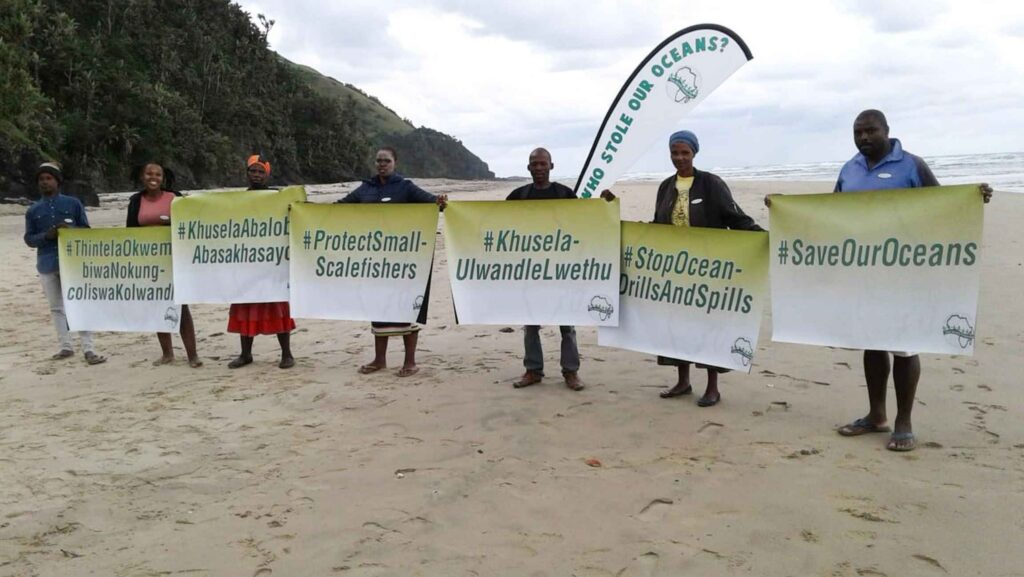
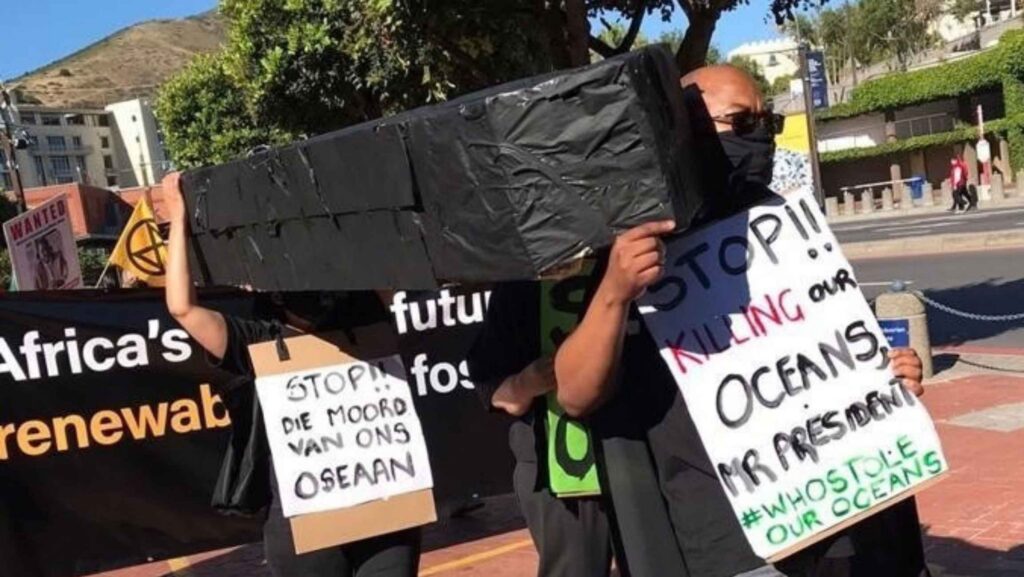
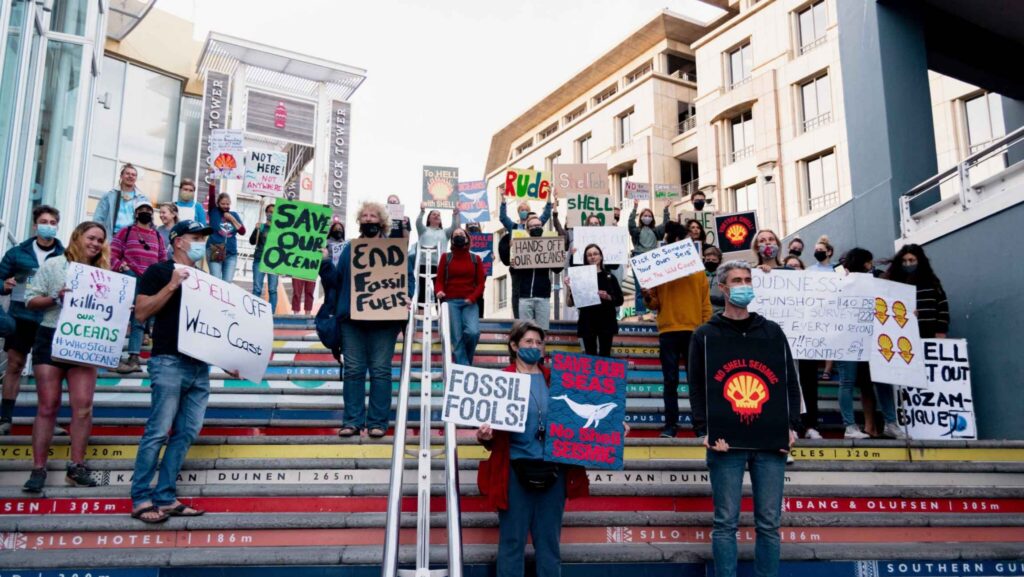
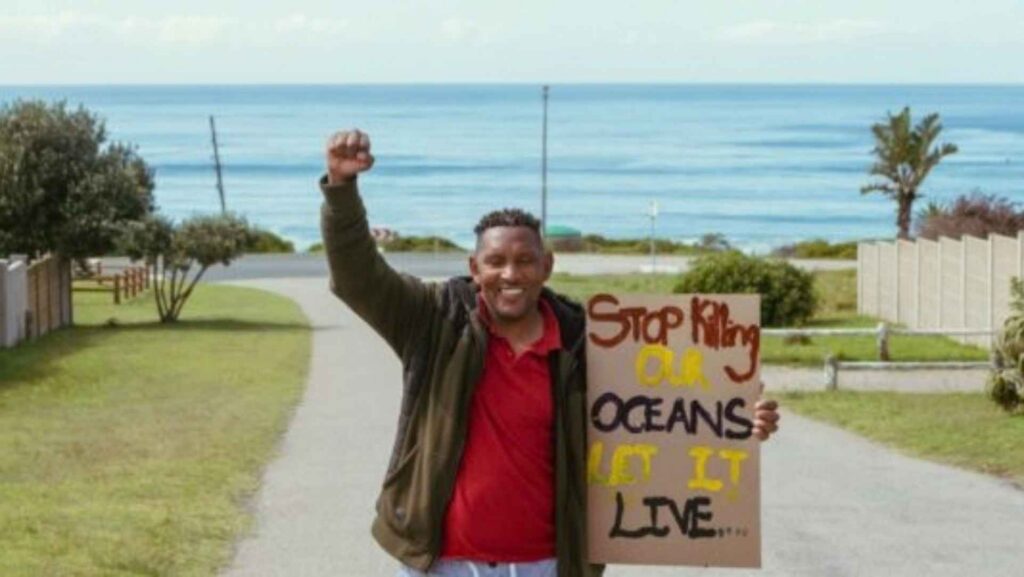
The Green Connection and Natural Justice have welcomed the decision by the Supreme Court of Appeal (SCA) to defer a decision whether to grant leave to appeal and direct that a further leave to appeal application by Shell and the State be heard together with the merits of the appeal, in a consolidated hearing, in the ongoing legal challenge against offshore oil and gas exploration in Block 5/6/7 off South Africa’s south west coast.
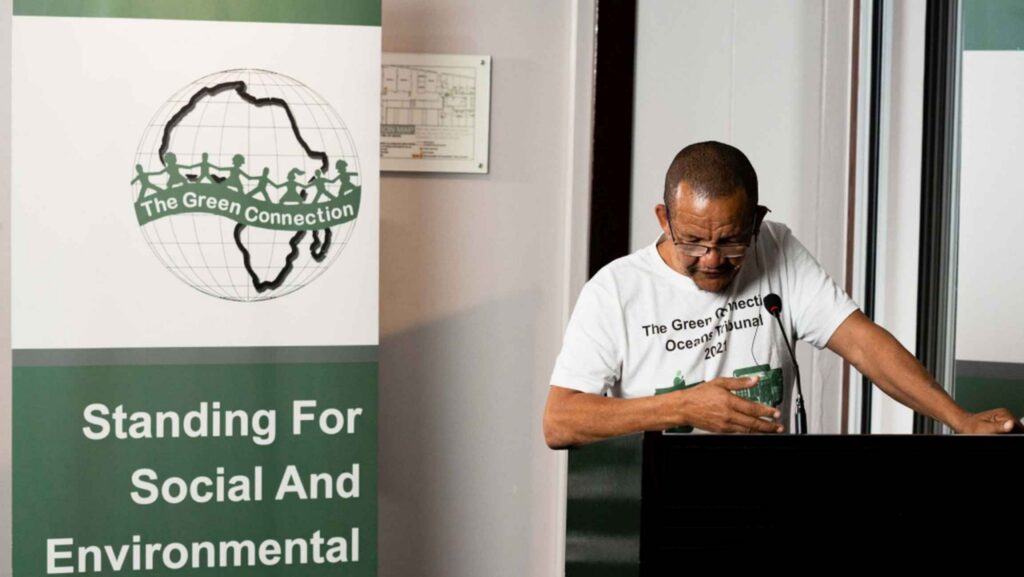
According to The Green Connection’s Outreach Ambassador, Neville van Rooy, “By directing that the leave to appeal application and the full appeal be heard together, the Supreme Court of Appeal has created a single, consolidated process that goes beyond procedural efficiency. It shortens the path to final accountability and ensures that the Court fully considers the substantive failures identified by the High Court, including the government’s failure to properly take into account the significant risks to the livelihoods of small‑scale fishers, and the resulting asymmetrical assessment of who bears the risks and who stands to benefit from offshore oil and gas exploration.”
“This case matters to all South Africans because it is essentially about good governance and because it will set a binding legal precedent on whether government decisions affecting the country’s environment, climate future, public finances and livelihoods must fully consider climate risks, environmental harm and meaningful public participation – or whether such decisions meet the required standards of lawfulness and accountability. Moreover, amid a growing national debate on energy security, this case highlights a central reality of South Africa’s energy context, that local oil and gas production does not shield consumers from global market volatility. Sound governance should therefore prioritise transparent, evidence-based frameworks to model and guide South Africa’s long-term energy transition,” adds van Rooy.
Background to the Case
Following years of objections from coastal communities, small-scale fishers, civil society organisations and experts, who raised concerns about climate impacts, oil spill risks, transboundary harm and inadequate public participation – the Western Cape High Court in 2025 set aside the Environmental Authorisation granted for offshore drilling in Block 5/6/7. The Court found that the decision-making process was legally deficient, including failures to properly assess key environmental and socio-economic risks, and did not comply with the requirements of South Africa’s environmental laws.
In November 2025, the Western Cape High Court confirmed that the Environmental Authorisation for offshore drilling in Block 5/6/7 is unlawful and remains set aside, while granting the State and Shell limited leave to appeal on two issues only the consideration of full lifecycle climate impacts and transboundary environmental harm.
After the High Court ruling, the State and Shell petitioned the Supreme Court of Appeal to expand the appeal to include additional grounds that had initially been refused permission to appeal including failures related to public participation, socio-economic impacts and coastal law compliance. The present process before the Supreme Court of Appeal arises from that petition.
In February 2026, The Green Connection and Natural Justice filed their answering affidavit opposing efforts by the State and Shell to broaden the grounds of appeal in the Block 5/6/7 offshore drilling case. They reaffirmed that the matter concerns lawful decision making, environmental governance, climate accountability and the constitutional rights of coastal communities, and argued that the High Court had already found serious flaws in the environmental authorisation process that should not be reopened on appeal.
Key Legal Questions Before the Court
“At the heart of the case are questions about good governance and lawful decision-making. The Court must determine whether the Minister had (and considered) all the necessary and reliable information when granting the Environmental Authorisation for offshore oil and gas exploration. This includes information on environmental risks and the socio-economic importance of marine resources to coastal livelihoods. We contend that this information was incomplete or inadequately considered. The case also raises questions about whether communities were given meaningful opportunities to participate based on full and accurate information, and whether South Africa’s coastal and environmental laws were properly followed. These governance issues will now be considered together in a consolidated appeal process,” says van Rooy.
“Therefore, to be clear, this case is not about judges ‘deciding climate change’. It is about whether South African law was followed specifically whether relevant climate, environmental and socio economic risks were lawfully and properly taken into account, as required,” he adds.
The matter is now progressing until the consolidated hearing of both the leave to appeal and the merits of the case, on a date still to be determined.
The Court has also directed that the related appeals brought by the State and Shell be heard together as one consolidated matter. The hearing date will be determined by the Supreme Court of Appeal, and is typically scheduled several months after the exchange of written arguments. Dates may change if there are delays, requests for extensions, or new directions by the Court.
“Importantly, the Environmental Authorisation for Block 5/6/7 remains set aside. No offshore drilling may lawfully proceed unless and until a valid authorisation is granted following a lawful process that complies with constitutional and environmental requirements,” concludes van Rooy.
The Green Connection and Natural Justice view the Supreme Court of Appeal’s decision as a vital step towards ensuring that the case is fully ventilated and that its implications for environmental governance, climate justice and coastal communities are properly considered. The organisations and their small-scale fisher partners remain committed to defending South Africa’s oceans, protecting the rights and livelihoods of coastal communities, and upholding the good governance principle that decisions with long-term environmental and social consequences must withstand rigorous legal scrutiny.