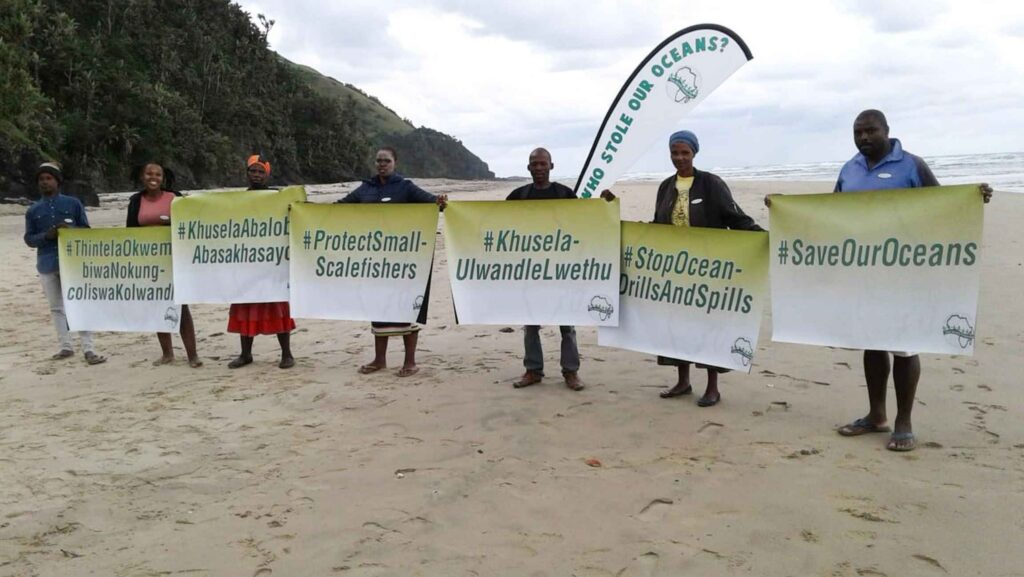
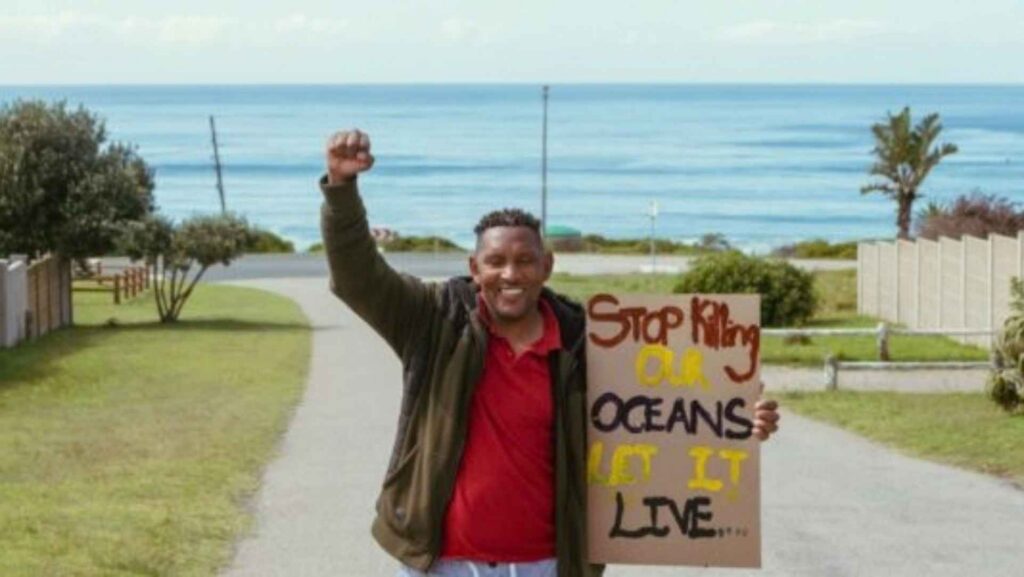
Last Friday, The Green Connection made its formal submission to the South African Human Rights Commission’s (SAHRC) National Investigative Hearing into South Africa’s Food Systems, calling for urgent attention to the systemic inequality facing small-scale fisher communities. “Food and the systems we put in place to produce it cannot be separated from human dignity, livelihoods and cultural rights. These issues are not abstract policy debates. For small-scale fishing communities, food from the ocean is not merely a commodity – it is a foundation of identity, survival and social cohesion,” says Khetha Buthelezi, Economics Officer at The Green Connection.
The inquiry, which will examine the structural and economic dynamics that perpetuate hunger – despite adequate national food production – comes at a critical moment. It will assess the concentration of power in the food value chain, affordability and access, land and tenure security, policy coordination, and the realisation of the constitutional right to food. This includes its links to dignity, health, water, culture and a healthy environment. Civic participation and accountability will be central to the Commission’s review. The SAHRC has extended the deadline for written submissions to 27 February 2026, with hearings scheduled for March during Human Rights Month.
Small-Scale Fishers – At the Heart of South Africa’s Food System Inequality
According to Buthelezi, who leads The Green Connection’s Koeksister Project, “South Africa’s 3 000 km coastline sustains thousands of households who depend directly on marine resources for food and income. Yet many small-scale fishers remain food insecure, excluded from markets and marginalised in decision-making processes that shape the very food systems they sustain. When policies favour large commercial interests and industrial operators, inequality can deepen and local food security may weaken. If the people harvesting food cannot access affordable and nutritious food themselves, the system is fundamentally unjust.”
Research underscores the sector’s importance. A 2019 Masters’ study estimates that approximately 28 000 small-scale fishers rely on marine resources for livelihoods and food security, highlighting the sector’s contribution not only to income, but also to cultural identity and community cohesion.
The Green Connection further argues that the Commission’s examination of governance, participation and accountability must include scrutiny of marine and ocean policy. “Poor implementation of the Small-Scale Fisheries Policy, limited market access, inadequate infrastructure and weak consultation processes continue to undermine the sector. Women – who make up less than 30% of participants – remain under-recognised, while young people leave coastal communities due to declining economic prospects,” adds Buthelezi.
Offshore Oil and Gas Expansion Threatens Coastal Livelihoods and Food Security
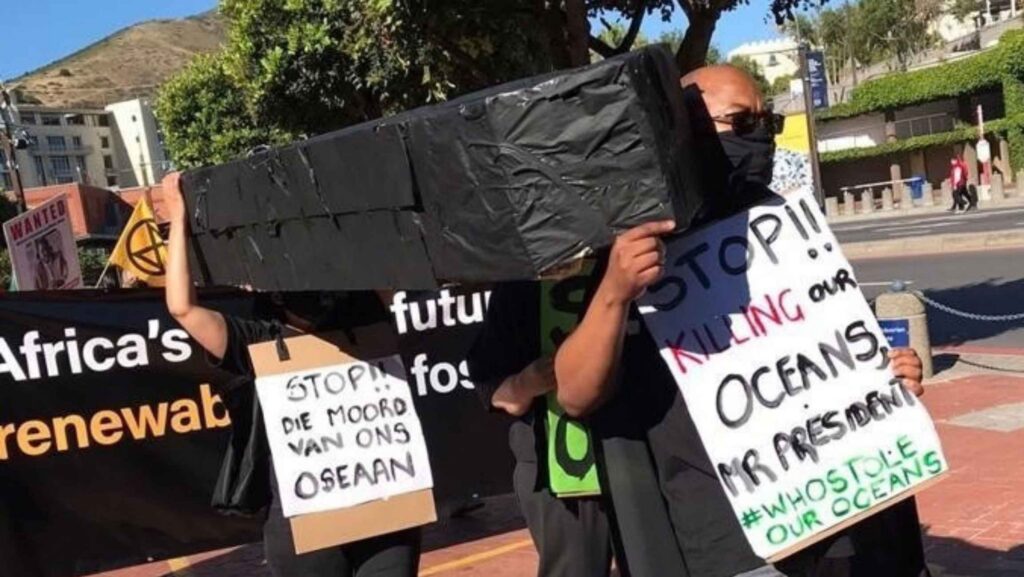
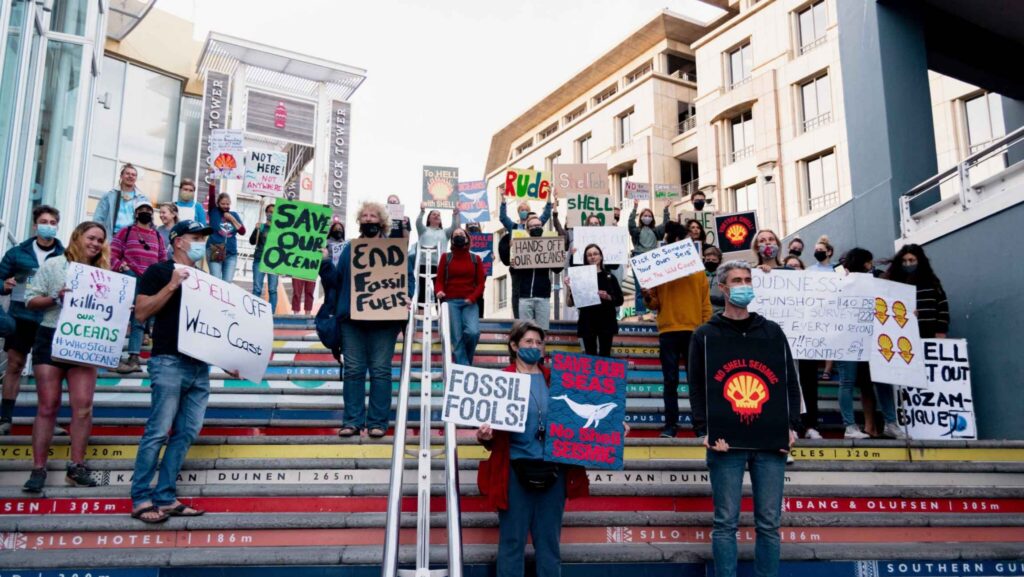
The eco-justice organisation also raises concerns about the potential impacts of offshore oil and gas expansion, under Operation Phakisa. Seismic surveys, drilling and increased shipping activity can threaten fish stocks and may restrict access to traditional fishing grounds, which can directly affect food security and livelihoods. Additionally, these activities could also exacerbate the climate crises, which could also affect the health of the ocean, inevitably affecting small-scale fisher and coastal livelihoods.
“For small-scale fishers, these are not abstract environmental issues,” says Buthelezi. “It is about income stability, cultural survival and the constitutional rights to food, livelihoods and participation in decision-making, and protecting these rights and resources for future generations.”
“Our message to the SAHRC is clear,” Buthelezi concludes. “If South Africa is serious about tackling hunger and inequality, it must ensure food systems governance is transparent, inclusive and accountable. Coastal communities are not asking for charity – they are demanding justice.”
Voices from the Coast: Small-Scale Fishers Demand Rights, Recognition and Food Justice
Inputs gathered by The Green Connection from small-scale fishers across coastal provinces reflect both deep frustration with systemic exclusion and a strong commitment to building fair, inclusive and sustainable food systems.
Speaking on behalf of the Aukotowa Small-Scale Fishers Co-operative in Port Nolloth, Northern Cape, Walter Steenkamp says, “While small-scale fishers support around 28 000 people in South Africa, many of us can no longer catch or sell enough fish to feed our own families. Lobster prices have dropped way below what we used to earn, and after we’ve paid for transport, holding tanks and packaging, there is little-to-nothing left for us. Last year, many small-scale fishers had no income at all. It was a Black Christmas for our communities.”
Steenkamp continues, “Decisions are often made without consulting us and some fisher permits are now questioned, after years, with no warning. Snoek seasons have collapsed, projects happen around us without creating jobs for our people, leaving our families to go hungry. We hope this inquiry will result in the recognition of our customary rights, the return of our fishing grounds, and for government to listen to those of us who live from the sea, so that we can feed our families with dignity.”
Deborah De Wee from Spirit of Endeavour Small Scale Fisher Co-operative in Doring Baai, Western Cape says, “Women are being excluded from crayfish permits and denied equal participation in the food system. For the past two years, fisher women in Doring Baai have had no income, leaving families vulnerable and increasing hunger. The situation in our community is tense, and instead of protecting women’s rights, permits were stopped, which punished women the most. This exclusion violates our rights to equality, livelihood, food, and participation, and it weakens both our community and our food security. We are asking to be recognised, included, and allowed to earn a living with dignity.
”Kristie Links from Sal-Diaz Small-Scale Fisher Co-operative in Saldanha Bay, Western Cape says, “Government says allocations have increased, but for us near-shore access has actually been reduced, and fishing seasons are becoming shorter. Small-scale fishers are forced to use bigger boats, which we cannot afford, and the areas we are given have little or no fish. Yet industrial boats continue to overfish, especially at night, while our communities struggle to put food on the table. This situation is destroying our livelihoods, our food security, and our right to be recognised as small-scale fishers.”
Emelin Mitchell from Eden Small-Scale Fishers and Rasta Community in Mossel Bay says, “Since 2016, permits, licences, and support have been promised but never delivered. And funding allocated since 2022, has not reached our communities. We struggle to access markets and resources, leaving our families hungry. While farmers receive land, tools, and funding we feel that we are being excluded. Our land leases are reduced or not honoured and our projects in fishing, tourism, and aquaculture are blocked. Some co-operatives have taken private loans of about R10 000, just to survive. On top of this, we face discrimination, lack of consultation, and no recognition of our cultural and land rights. We hope that this inquiry, by the SAHRC, will result in equality for small-scale fishers and coastal communities. All we want is what was promised, which recognises our rights and gives us a real voice in decisions that affect our food, livelihoods, and dignity.”
Reinette Melisa Pullen from Moeg Gesukkel Visserye Co-operative (Small-Scale Fisherwomen) in Eastern Cape says, “In our community, we do not have our own boats to catch line fish, so we cannot sell directly to sustain our families. Most of our income comes from squid permits. However, since much of the squid is caught by commercial boat owners, we only receive a small percentage of the catch. This season has been particularly poor, which means even less income for small-scale fishers. It is painful that the squid industry is fighting us and the Department in court over the 10% allocation, while the same companies continue benefiting from permits meant to support us. Permits remain a daily struggle, with too much red tape. And without a permit or a boat, we cannot fish or feed our families.”
“Furthermore, market prices are controlled by buyers and middlemen, leaving us small-scale fishers with barely enough income to cover our most basic needs. We need support for cooperatives, access to local markets, and accessible cold storage facilities. This will help ensure that we can sell directly to our communities. Fish is perishable, but our lives are not disposable. When small-scale fishers are supported, it strengthens food security for the entire country.”