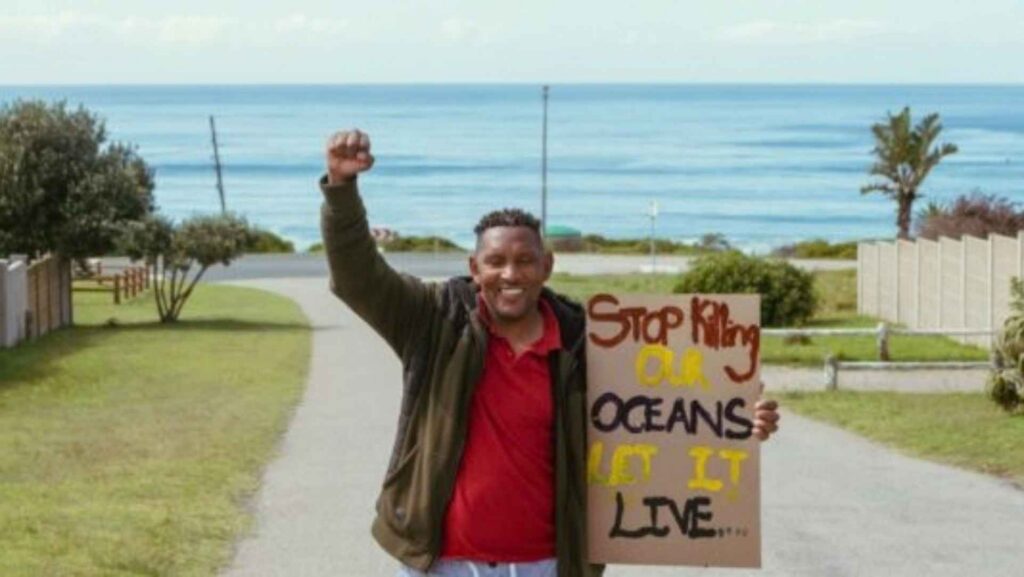
With just days away from COP27 – where world leaders, including from South Africa, will discuss proposed global climate action commitments – The Green Connection says that without an integrated energy plan (IEP) that marks a clear pathway for decarbonisation in the energy sector, the country’s climate commitments will be nothing more than hot air. Section 6 of National Energy Act, 2008 (NEA) requires the Minister of Energy to develop such a plan, but to date this section has not been brought into operation by the President. Following previous engagement with President Cyril Ramaphosa that failed to persuade him to exercise his power to do so, on 2 November 2022 the Green Connection wrote again to the President informing him that it has instructed lawyers to draw up a court application to review his failure or refusal to bring s6 into effect and encouraging him to reconsider his position.
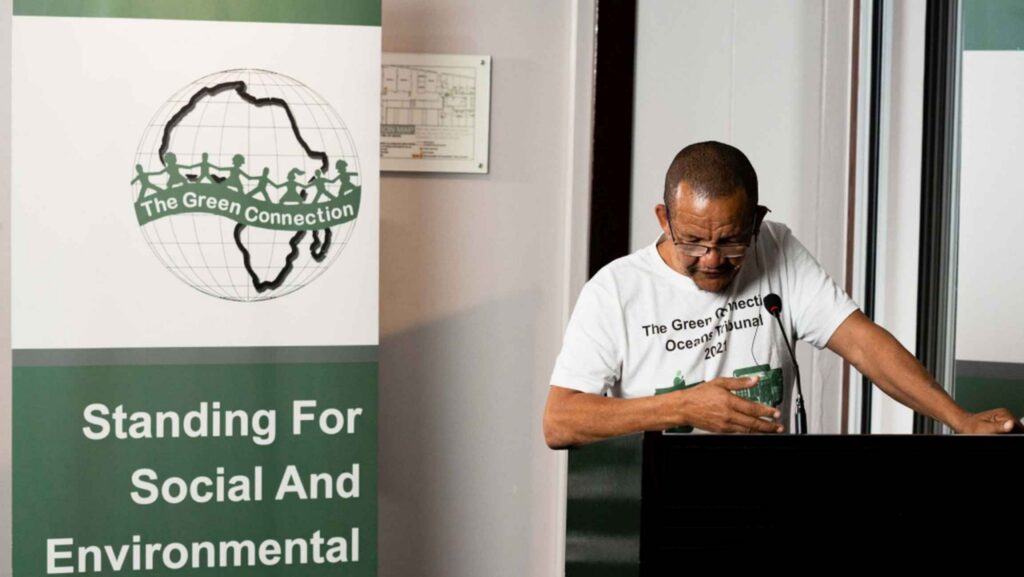
According to The Green Connection – an eco-justice organisation working to promote meaningful
civil society participation on energy and development issues – President Ramaphosa’s inaction frustrates the objects of the NEA. The organisation says, “Section 6 of the Energy Act stipulates that the Minister in the Department of Mineral Resources and Energy (DMRE) must develop and, on an annual basis, review and publish the IEP in the government Gazette. It also requires the ongoing refinement of the IEP and is intended to provide a roadmap for the future energy landscape for South Africa and to function as the policy that guides future energy infrastructure investments and policy development. While the NEA was enacted by Parliament in 2008, s6 had not yet been brought into operation, and to date we have no final IEP.”
The Green Connection says that without a plan, the South African government will continue to make ad hoc decisions about South Africa’s energy future. In the absence of a comprehensive and long term plan, we will continue to see a host of irresponsible energy projects being attempted. The purpose of the IEP is to integrate economic, environmental, political, and social interests and set the context in which energy related decisions should be made.
“Would the government be pursuing the increasing of fossil fuels through offshore oil and gas if we had a plan that took climate change into account? How would the energy plan look if government consulted meaningfully with local coastal communities on what they want, rather than attempting to ram arbitrary energy decisions down people’s throats? We want an energy plan that is based on evidence. This is why section 6 of the National Energy Act is so important because it speaks to a plan that must be reviewed annually, to ensure that it takes into account rapidly changing global trends and modern developments,” says The Green Connection’s Advocacy Officer Kholwani Simelane. In August 2021, the Intergovernmental Panel on Climate Change’s (IPCC) 6th Assessment Report (AR6) found that unless there are immediate, rapid, and large-scale reductions in greenhouse gas emissions, it will be impossible to keep warming below 1.5°C or even 2°C. This year, the UN Environmental Programme (UNEP) reported that “the international community is falling far short of the Paris goals, with no credible pathway to 1.5°C in place.” It further states that ‘…neither current policies nor NDCs [nationally determined contributions] currently trace a credible path from 2030 towards the achievement of national net-zero targets.’
There is an energy transition under way and, as part of that transition, fossil fuels must (eventually) be abandoned. And even with the pressures created by Russia’s war on Ukraine, the International Energy Agency (IEA) – in its 2022 World Energy Outlook – still asserts that the solution to the climate and energy (and affordability) crises is to rapidly replace fossil fuels with clean energy. The agency recommends to more than triple current clean energy investment if there is any chance to stay within the warming limit of 1.5°C.
The Green Connection says that a proper energy plan would also guide the actions of other government departments, who are bound by the country’s policies. For instance, Treasury would be making decisions that were in-line with the plan, rather than relying on outdated policies to guide its budgeting decisions. Electricity is a subsector of the energy plan – and having an energy plan would enable Eskom to be aligned with the future.
The eco-justice organisation says that while it was pleased to hear Finance Minister Enoch Godongwana acknowledge, in his mid-term budget speech on 26 October 2022, that “climate change is reshaping the world around us, including our economic context”, his latest announcement supporting investment in “old reliable technologies” like nuclear and gas, reveals a disappointing about face from his talk of building an inclusive economy.
Simelane says, “Minister Godongwana has said that the Minister of Energy must take “bold enough” decisions to get SA to a point where it can achieve reliable electricity supply. But what is bold about looking backwards to energy options that pose a risk of harm to people, have done little for the country’s overall economic development, while also harming the environment and threatening the livelihoods of those who depend on it? And when it comes to gas, we must take into account the emission of methane which, from a climate change perspective, is 85 times more harmful than carbon dioxide, over a 20-year period.”
“We cannot be subject to the whims of government politicians. South Africa needs an IEP that all its people have been involved in drawing up. This IEP should be in line with the need to have affordable energy for all, and it should address climate change and it should create sustainable livelihoods. The law does that but for over 14 years, the government has failed to bring s6 into operation,” he says. The Green Connection says that the South African government must take ownership of its role in bringing us to this point. The Green Connection engaged the President’s office and the DMRE on these issues, for almost two years, without any meaningful outcome.
The REIPPPP (Renewable Energy Independent Power Producers Procurement Programme) was introduced in 2012, which at the time, led to the initial assumption that the government was forward thinking for designing a renewable energy system that could benefit surrounding communities. However, government’s later stalling of the REIPPP, at the time of the attempt to push through former President Zuma’s unlawful nuclear fleet deal, has resulted in a mostly delayed process. Media reports suggest that power purchase agreements (PPAs) with independent power producers (IPPs) from 2016, were only finalised in 2018.
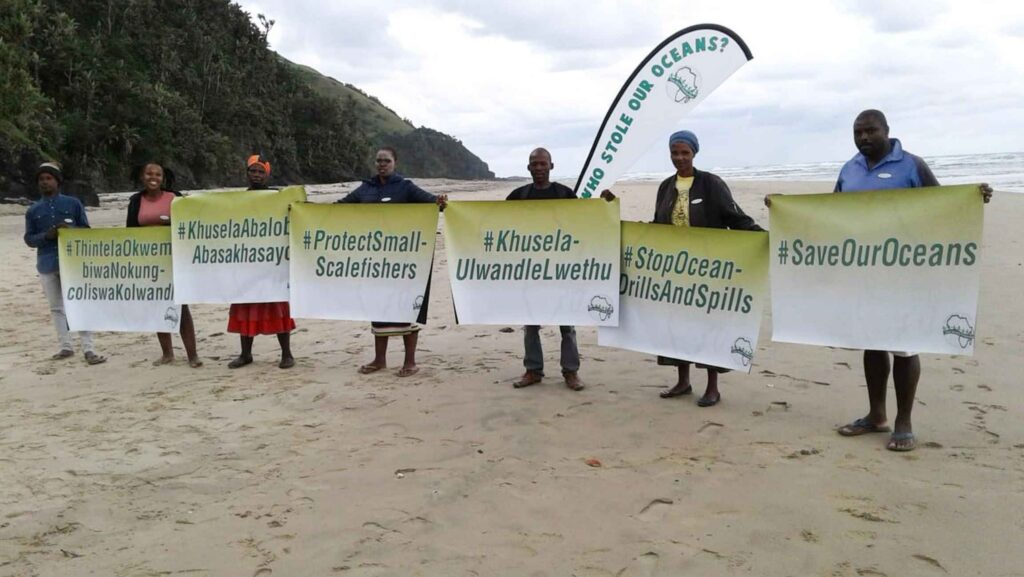
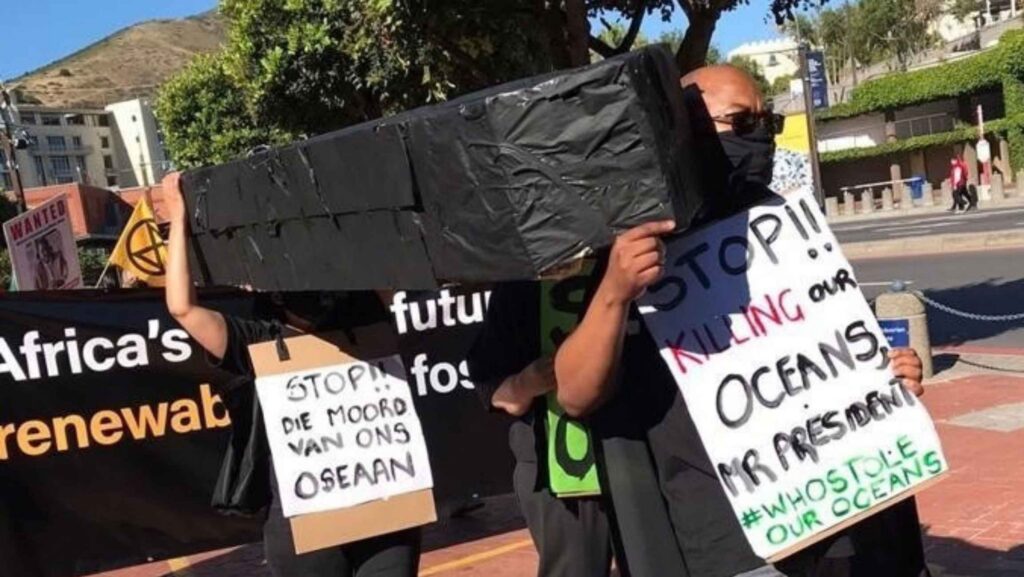
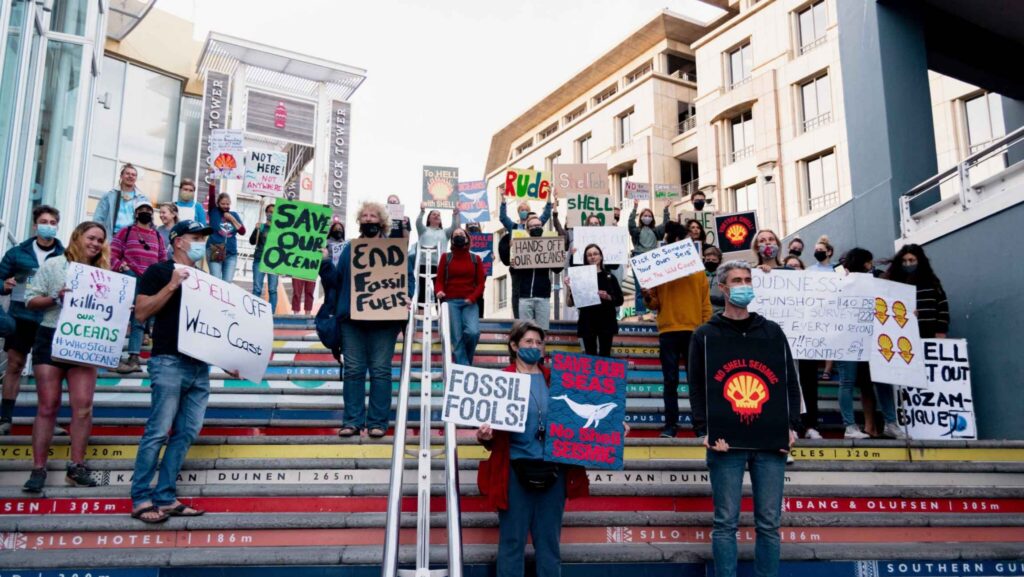
Now, with the country’s energy system in tatters, we see companies like Shell and Total taking advantage with their offshore oil and gas projects, pushed by government, despite all the risks, court rulings, and local opposition.
South Africa does not produce its energy or develop its economy in a bubble. Everything is connected and interlinked in some way. Therefore, the goal should not merely be to address the country’s energy crisis. It should be to do so while also responding to the climate reality and while addressing the country’s deepening inequality and weakening economy. This will be achieved through a just transition, for which we need an updated IEP.
Says The Green Connection, “We cannot have a just energy transition without knowing the end goal. Where or what are we transitioning to? What do we need to get there? For that, we need a clear, well-thought-out and inclusive IEP.”