Following a number of unsubstantiated allegations made about The Green Connection and its workwith small-scale fishers along South Africa’s coast, the eco-justice organisation wants to set the record straight, especially since environmental defenders are under increasing attack, as a result of their efforts to protect people and nature from exploitation.
The Green Connection is driven to empower coastal communities to be champions for their own local environment, by ensuring that they know and exercise their environmental rights, as enshrined in the Constitution and the National Environmental Management Act (NEMA). Much of our work centres around promoting transparency and meaningful (and procedurally fair) public consultation on proposed offshore oil and gas projects. People need access to information to meaningfully participate in decision-making processes and assert their rights.
We are a diverse group of environmental and social justice activists – from different cultures and faiths, with most hailing from previously disadvantaged and marginalised groups – who believe in our work, which seeks to safeguard South Africa’s democracy, its people, and its natural resources. We are particularly passionate about promoting the rights of already-marginalised communities, in ways that gives them agency over their own future. This means that The Green Connection does not claim to represent or speak on behalf of any fishers or community members. Instead, we provide communities with information and educate them about the law and their environmental rights, so that they can decide and speak for themselves.
The reality is South Africa’s oceans – along with small-scale fishers and their livelihoods – are under serious threat. And the climate crisis is getting worse. Driven by national ‘development’ agendas and international corporations, and in the absence of an overall energy vision which all South Africans have agreed to, some government energy decisions are, in our view, focused on projects that only benefit a few, at the expense of the thousands of families living along our coast (who depend on the ocean). In a country plagued by government corruption, transparency is crucial, in respect to environmental issues and energy decisions.
The Green Connection engages with local communities that are interested in knowing about the threats to their livelihoods, and those interested in defending the oceans. We also draw on other organisations’ expertise and submit specialist comments to address issues of environmental injustice.
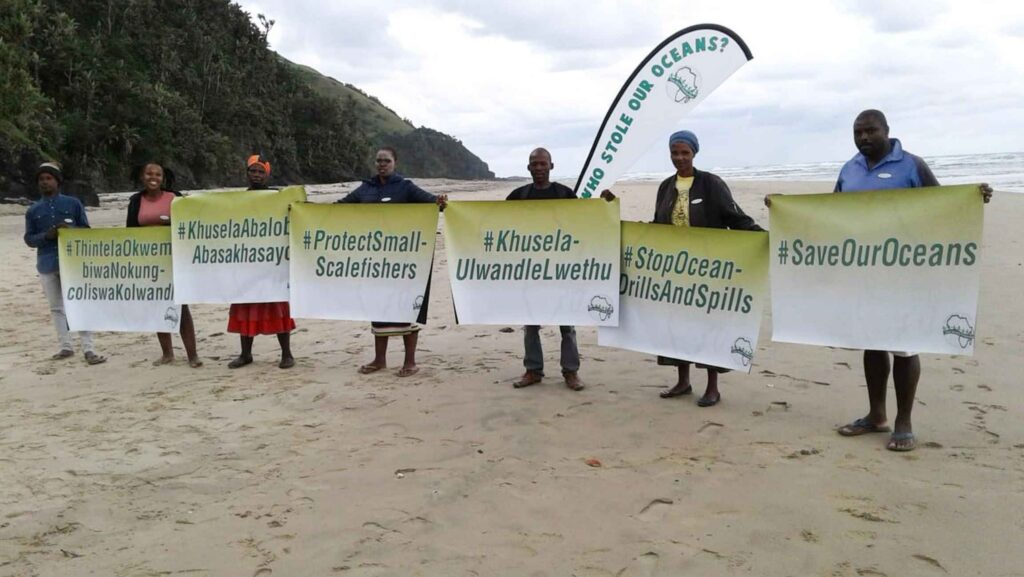
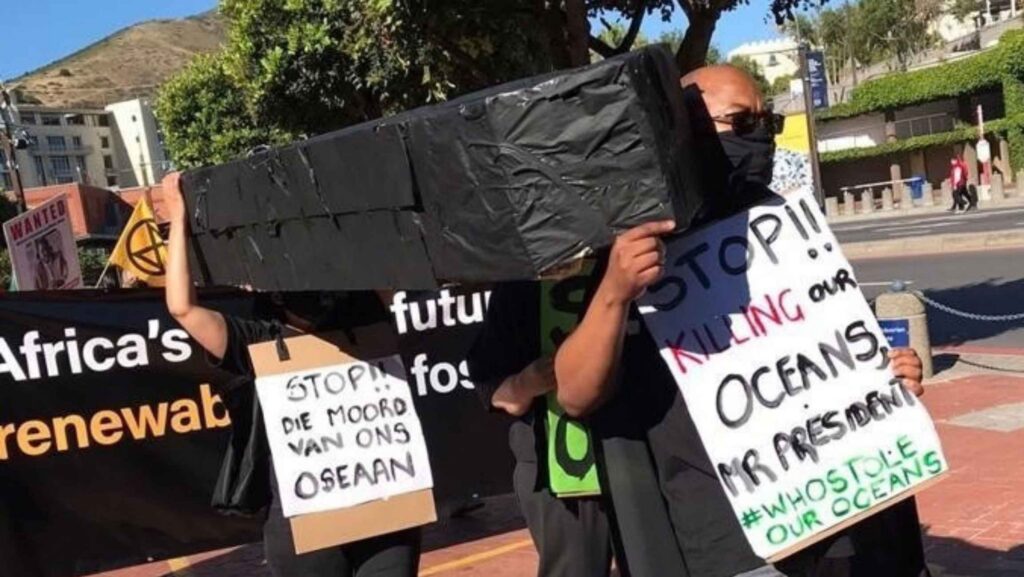
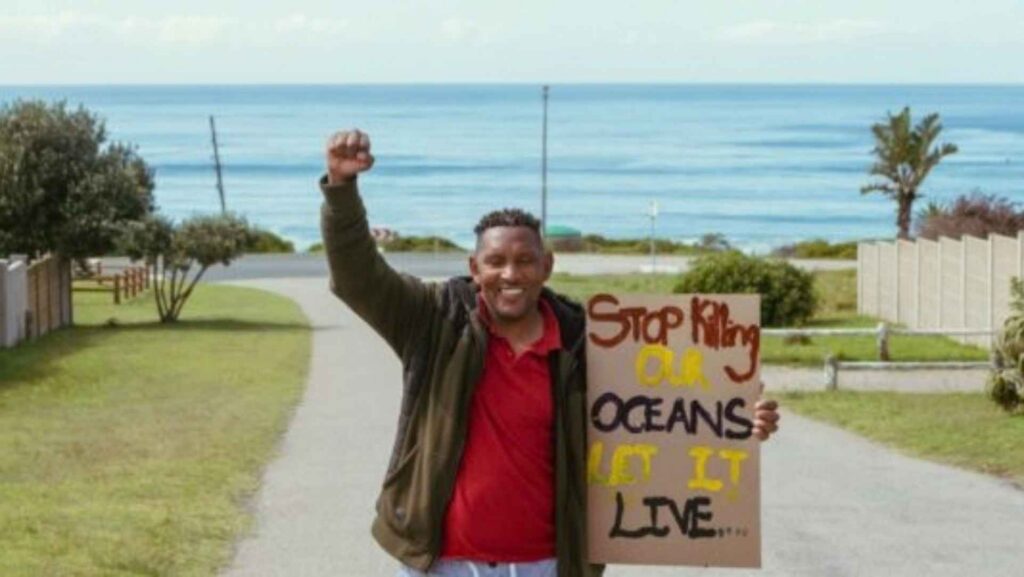
This lack of meaningful consultation with small-scale fishing communities who will be affected, we believe, is the reason that so many of our fisher partners have decided to take on this fight for themselves. In fact, small-scale fishers have organised many of their own demonstrations, often because they had not been involved in critical decision-making processes that could negatively affect their livelihoods. And let it be clear that people come out to oppose offshore oil and gas projects or Karpowerships because, as we understand it, they want to protect the bay they fish in (yes, small�scale fishers do sustain their livelihoods from Saldanha Bay). These fishers are not lured by a promise of food parcels, they are driven to protest or picket by the need to protect and defend their livelihoods.
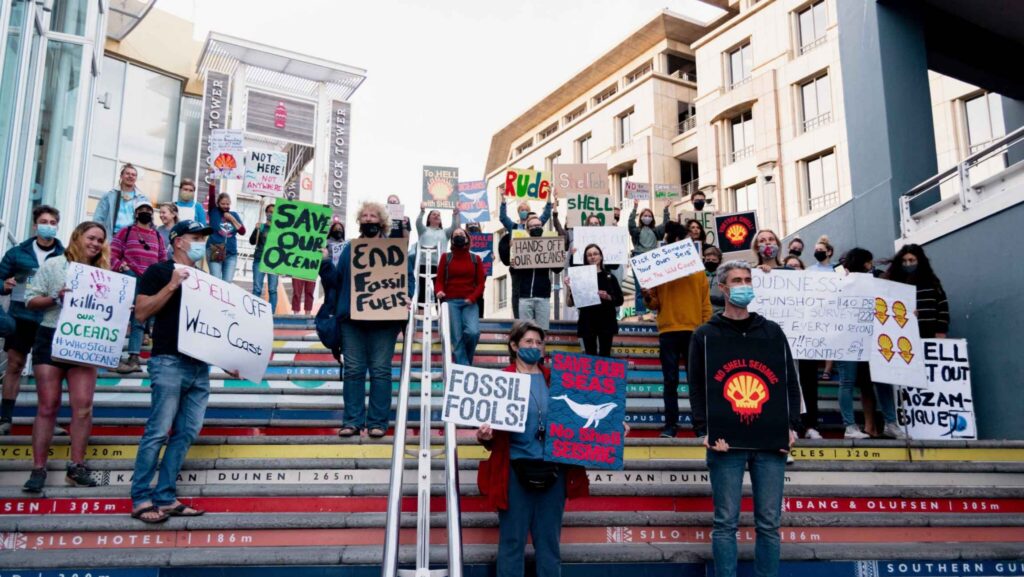
And time and time again, our efforts have been vindicated. For example, in the case of Karpowerships, the flawed processes and lack of information (among other things) led to the Department of Forestry, Fisheries and Environment (DFFE) refusing it environmental authorisation. And Shell and Searcher Geodata’s right to conduct seismic surveys in our oceans were also set aside, due to (among other things) the lack of meaningful public participation with affected communities.
According to the NEMA, the environment is supposed to be held in public trust (by the government) for the people and should be protected as the citizens’ common heritage, while public participation in environmental governance must be promoted. These resources are to be used in ways that benefit and serve the wider public interest. According to the NEMA environmental management principles, all people “must have the opportunity to develop the understanding, skills, and capacity necessary for achieving equitable and effective participation, and participation by vulnerable and disadvantaged persons must be ensured.” The Act calls for vigorous and inclusive public participation in decisions that may affect the environment.
Yet, soon after The Green Connection’s Community Outreach Coordinator started engaging coastal communities, to better understand some of the key issues they face, it became clear that many small-scale fisher communities had not been properly consulted on proposed offshore oil and gas projects – which could infringe on traditional fishing grounds and have negative marine ecosystem impacts (from seismic surveys or in the event of a major oil spill). According to many small-scale fishers, these restrictions have turned them into criminals because they are not allowed to go to those places where their ancestors would traditionally fish.
While parts of the South African government simply see the ocean as a commodity to be exploited for profit, small-scale fishers see the ocean as a mother that provides for them. When it comes to decisions about the ocean, millions of South Africans could potentially be affected and, as such, these far-reaching decisions with its potentially long-lasting impacts should not be rushed.
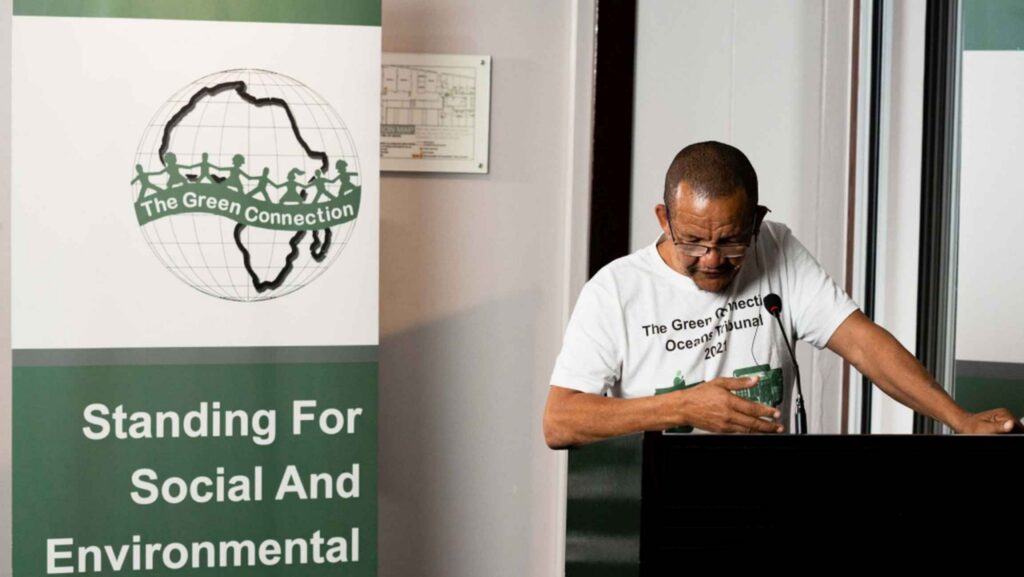
In September 2021, at the Oceans Tribunal, facilitated by The Green Connection and partners, over 200 small-scale fishers from around the country agreed that South Africa’s “blue economy” is yet another extractive destruction of nature, which appears to ignore both local fishing knowledge and the established rights of coastal communities. Leaning on international insights – from Mozambique, Nigeria, and India – it became clear to local fishers that, instead of benefiting artisanal fisher folks who attempt to make a living from the gifts of nature, extractive industries (such as oil companies) are often responsible for several human rights abuses.
Furthermore, evidence shows that the oil and gas industry is not guaranteed to result in the economic development promised by government and industry. On the contrary, many countries have failed to see any significant economic contributions from oil and gas. And, on top of this, according to a report by the International Energy Agency (IEA), “beyond projects already committed as of 2021, there are no new oil and gas fields approved for development in our pathway” to reach net-zero emissions by 2050.
As a civil society-driven organisation, we are more than willing to engage with the public on the ground and encourage people to get in touch for more information on our campaigns.