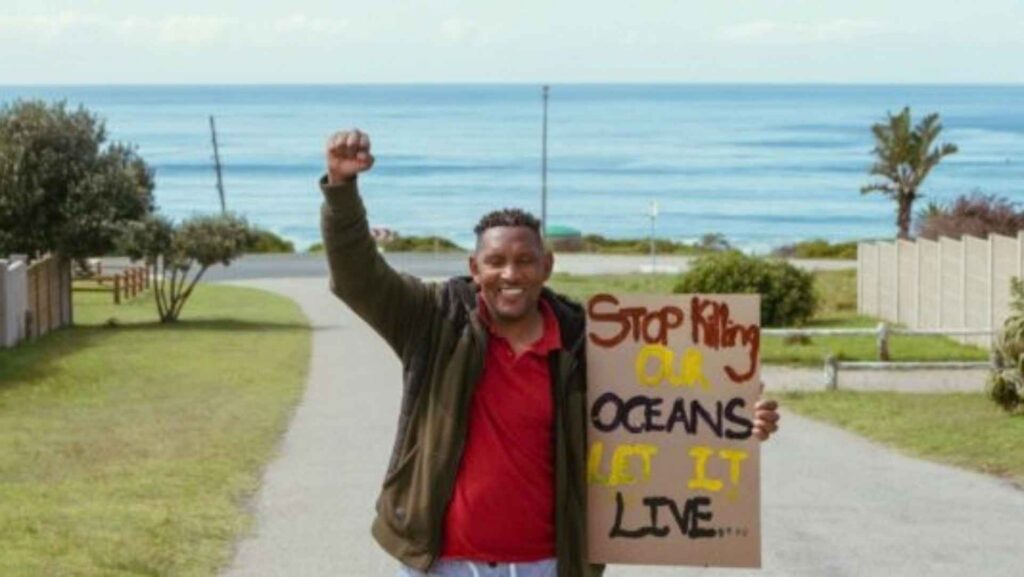
Cape Town, South Africa – The Green Connection is sounding the alarm about the Draft Regulations in the Upstream Petroleum Resources Development Act (UPRDA) – currently under review by the Department of Mineral & Petroleum Resources, following the Act’s passage by Parliament in April 2024. Formally supporting a joint submission – by Natural Justice, the Centre for Environmental Rights (CER), and groundWork – the eco-justice organisation warns that the draft regulations could erode democratic participation, may sideline affected communities and could accelerate environmental harm. Worse still, these regulations risk locking South Africa into a dangerous and exclusionary fossil fuel future when the country should urgently be shifting toward a renewable and sustainable energy pathway
Shahil Singh, Legal Advisor at The Green Connection, says that the regulations may fall short on several fronts. He says, “We are most concerned about the issue of public participation. People may not be able to meaningfully engage with decisions that may affect their homes, livelihoods, and natural heritage if the terms that enable their participation are too restrictive ,” says Singh.
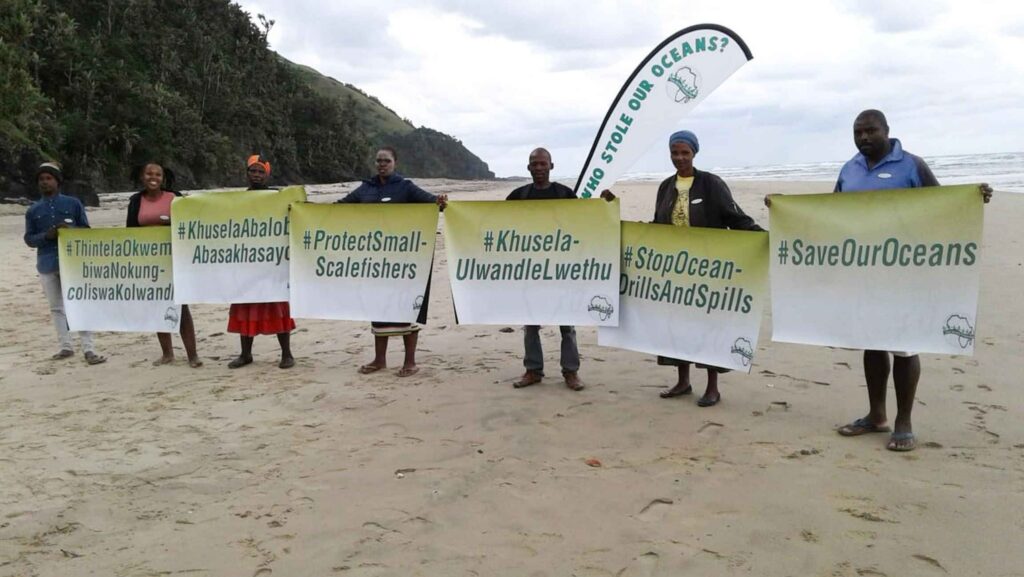
“The definition of who qualifies as an ‘interested and affected party’ needs to be broadened to ensure that it does not silence those whose voices matter most – particularly small-scale fishers and coastal residents. Moreover, expecting communities to pay a non-refundable fee to appeal administrative decisions, could create obstacles to justice that marginalised communities should not have to endure. People should not have to pay to ensure that their voices are heard,” he adds.
In a letter submitted to the Department on 26 May 2025, The Green Connection underscores that the proposed regulations – as they stand – could present a serious threat to good governance, environmental justice, and the livelihoods of coastal communities. “The draft regulations may be an attempt to fast-track oil and gas activities and could be deeply at odds with South Africa’s constitutional commitments, the country’s climate obligations under the Paris Agreement, and the lived realities of vulnerable communities who depend on healthy marine ecosystems,” he says.
At the heart of The Green Connection’s concern is the disconnect between what the government says about its climate commitments while simultaneously proposing regulations that appear to promote a fossil fuel-centred trajectory. Aggressively pursuing extensive oil and gas development, without addressing its long-term climate and economic risks, may prove both environmentally and economically unsustainable, in the long run.
Singh adds that the current consultation framework does not account for the linguistic, geographic, and social realities of many South Africans. “To speak of public engagement while omitting crucial project information or failing to communicate in languages that communities understand is not consultation – it’s exclusion. With our country’s struggle history and the robust Constitution of our young democracy, South Africa vowed never to let the people’s voices be excluded again. This is why these regulations may need to be amended thoroughly.”
Strategic Lead at The Green Connection, Liziwe McDaid says, “We are standing at a critical juncture,” she says. “If these regulations go forward without substantial revision, we may risk entrenching a fossil fuel future that not only disregards the reality of climate change but could also undermine the ability to deliver a just and equitable energy transition – something the government has repeatedly promised both nationally and on international platforms.”
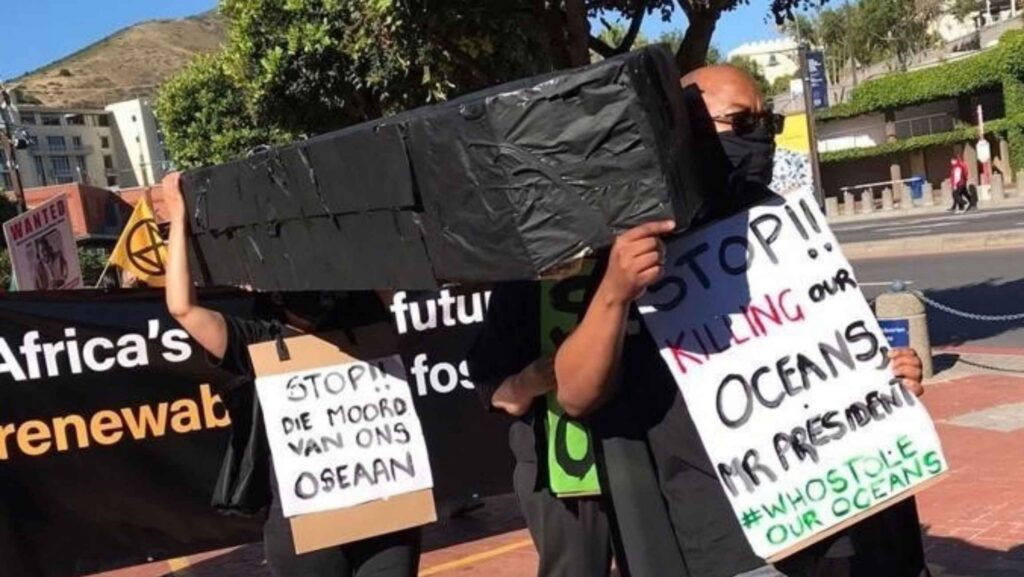
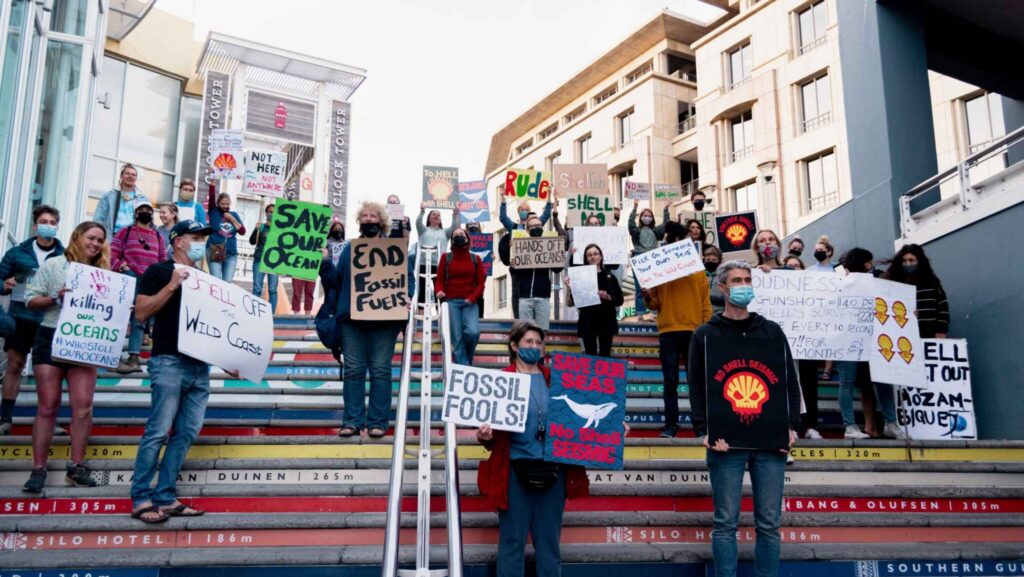
McDaid points out that communities along South Africa’s coastlines have already begun to experience the pressures of oil and gas exploration, from seismic testing. “These communities appear to be treated as collateral damage in the name of so-called energy security and economic development. But true development can only be achieved if energy is sustainable and decisions are inclusive and just. Therefore, any regulation that governs our natural resources must begin by respecting the people who depend on those resources for survival.”
The Green Connection’s letter of support echoes the concerns raised by Natural Justice, CER, and groundWork. This includes the lack of adequate safeguards for Free, Prior and Informed Consent (FPIC), the failure to demand robust impact assessments for petroleum projects, and the absence of strong protections for marine ecosystems that could already be vulnerable to industrial disruption. The Green Connection is particularly alarmed by the lack of clear commitments to measure and reduce greenhouse gas emissions, especially methane, which could pose a far greater short-term threat to the climate than carbon dioxide.
“Sustainable development cannot be achieved if ecological and social foundations are compromised,” says Singh. “The regulations must be revised to ensure that petroleum activities do not proceed without thorough, lifecycle-based environmental impact assessments (EIA), or without accounting for their full contribution to global warming. South Africa must not be left behind while the rest of the world moves towards decarbonisation.”
With the continent’s future hanging in the balance, The Green Connection is calling on the Department of Mineral & Petroleum Resources to act with urgency and integrity – ensuring that the regulatory framework protects both people and planet. The organisation sees this moment as an opportunity to realign South Africa’s energy policies with constitutional values, international climate commitments, and the lived wisdom of communities who have long defended their oceans and coastlines.
“May is both Energy Month and Africa Month – a time to reflect on where we’ve come from and where we want to go,” says McDaid. “The decisions we make now will shape not just our energy future, but the legacy we leave for generations to come. We must choose justice, transparency, and sustainability.