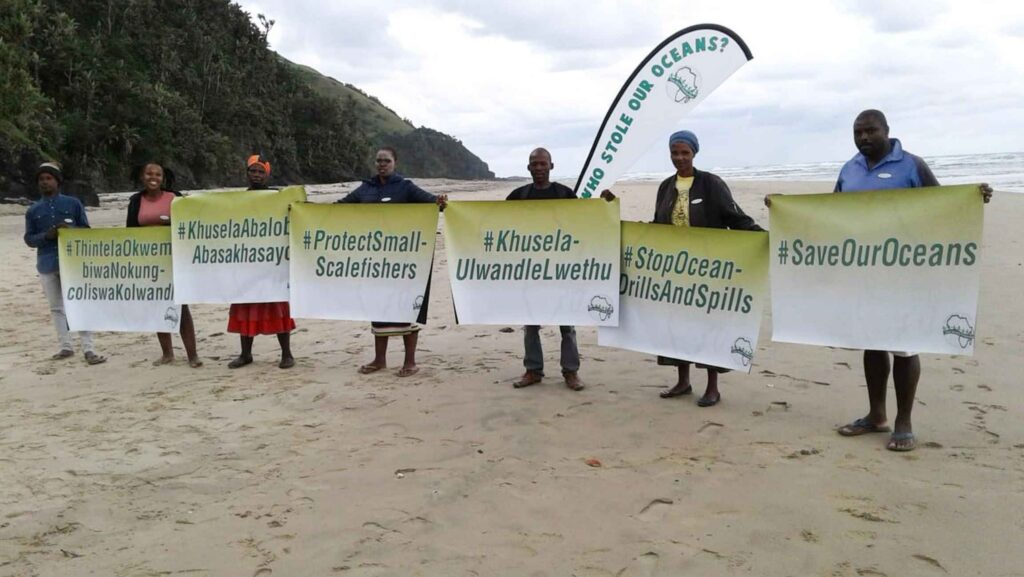
The Green Connection and Natural Justice (3 February) made its submission on the scoping process of the Environmental and Social Impact Assessment (ESIA) for the proposed offshore Block 11B/12B production right and environmental authorisation project for TotalEnergies EP South Africa (TEEPSA), as part of the public participation process. The organisations say the assessment has several shortcomings, which will affect the interests of the local and indigenous peoples and communities.
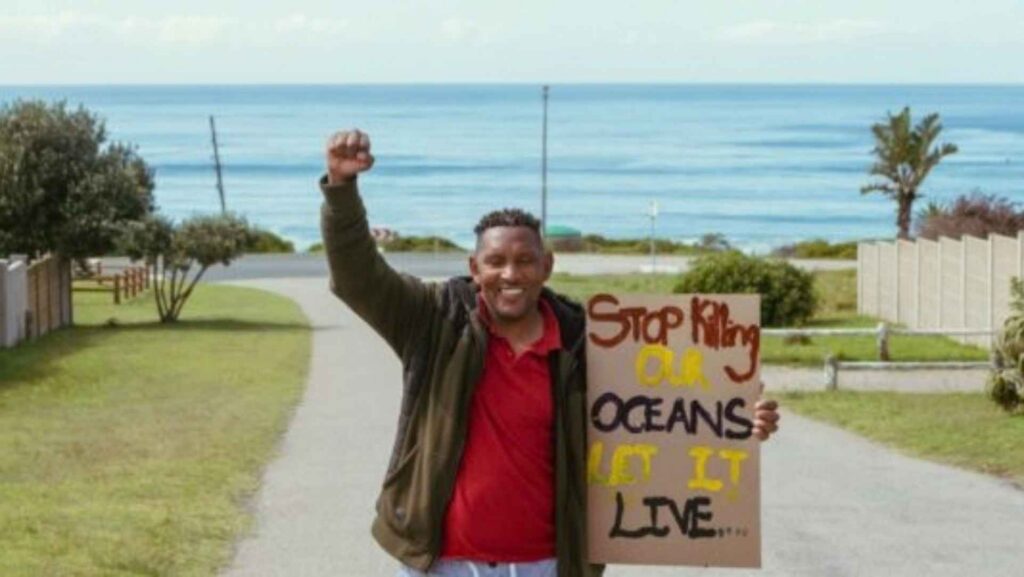
“After careful assessment, we have found the impacts associated with production to be highly significant and unacceptable, and therefore propose that the environmental authorisation should be refused. Furthermore, we found the Environmental and Social Impact Assessment to be severely lacking in its plans for the full assessment, particularly when it comes to assessing the full impact of the project proposed on marine life and ecosystems, and on climate change. There are simply too many gaps in the information, which shows that they did not think everything through thoroughly enough. And if we have learnt anything from previous court judgements regarding efforts to explore our oceans for oil and gas, then a precautionary approach must be taken,” says The Green Connection’s Kholwani Simelane. In December 2022, Simelane handed over a memorandum to TotalEnergies’ South Africa Board of Directors demanding that it stops its ongoing onslaught of oil and gas exploration projects, off South Africa’s Coast.
The organisations say that they question the accuracy of the modelling regarding the effects of methane from a blowout, especially since studies show that methane can cause depletions in oxygen levels and acidification when dissolved in the marine environment. And when methane bubbles reach the surface, it also directly contributes to climate change. The prerequisite studies – of the composition of particular condensate from the field being drilled, and lab studies of its fate in the environment – have not yet been done, which is needed for assessment.
The planned assessment of the immediate and chronic impacts of sonar and seismic surveys on all species in the affected area is another issue, especially since the ESIA does not accurately describe the baseline environmental conditions. It must consider impacts to marine mammals as well as other acoustically dependent marine species and their important biological functions. For instance, the assessment does not yet detail how impacts during Humpback whale and Southern Right Whale migration periods will be mitigated, nor does it detail how operational spills and leaks will be mitigated during spawning periods. These will be critical in the full assessment process.
Simelane says, “It must be understood that just because a company has gone through the legally required processes of an application, that does not guarantee that the project will go ahead. The whole point of the process, especially the requirement for meaningful public participation, is to assess need and desirability for undertaking the project at all. This means weighing all the pros and cons in terms of the impact to the people, the environment and on climate change.”
According to Natural Justice, “Block 11B/12B are just two of many blocks on our coastline where there are exploration applications that have been made. The burgeoning of oil and gas projects in our oceans, essentially wall to wall blocks of our entire coastline, will have significant implications for the constitutional rights of people – their livelihoods, heritage, health rights – but will also have implications for our ocean life, and knock-on ecosystem impacts. We have an obligation and a human rights responsibility to reduce our climate impacts. We need to ensure that the proper legal processes are followed and that the interests and voices of people and marine life are taken into account when making decisions about oil and gas exploration off our coastline. If these are properly considered, the conclusion must be that oil and gas resources must stay in the ground.”
The organisation says, “We all have a right to have our voices heard regarding projects of this kind. We encourage people from all walks of life, including fishers and other communities who depend on the ocean, to make submissions on the scoping report.”
Deadline to submit public comment has been extended to Tuesday (14 February).

BENDING OVER BACKWARDS, DMRE GIVES KARPOWERSHIPS ANOTHER BREAK
30 September 2021 was supposed to be the commercial close – a date set by the Department of Mineral Resources and Energy (DMRE) – for bidders in the Risk Mitigation Independent Power Producers Procurement Programme (RMI4P).
TOSACO EIA MET WITH PUSHBACK FROM CIVIL SOCIETY, TO PROTECT THE OCEAN AND SMALL-SCALE FISHER LIVELIHOODS
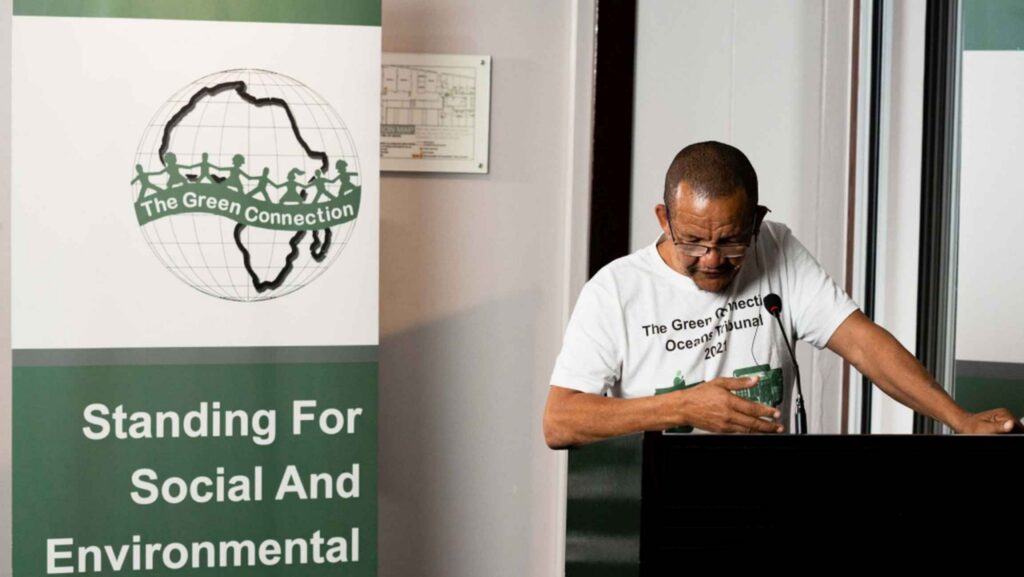
This week, The Green Connection submitted its comments critiquing several aspects of the Environmental Impact Assessment (EIA) process, particularly the lack of procedural fairness, as well as the conclusions reached – notwithstanding information gaps and scientific uncertainty – that should form part Tosaco Energy’s request to undertake various activities in Block 1, off the West Coast.

RECENTLY GRADUATED GREEN CONNECTORS, EQUIPPED FOR THE POLLS AND READY TO WEIGH-IN ON COP26
Following their recent graduation from The Green Connection’s Legacy Champions Programme, these newly empowered Green Connectors say they feel equipped with the necessary advocacy skills to make positive changes in their communities, starting with their vote in the local elections (1 November) and weighing in on the discussions around COP26 (which starts on 31 October) – as part of their efforts to oppose oil and gas developments in the country and offshore.
GREEN CONNECTION’S ‘FUNERAL FOR THE CLIMATE’ (AFRICAN ENERGY WEEK) AND COMMENT ON YESTERDAY’S BUDGET SPEECH
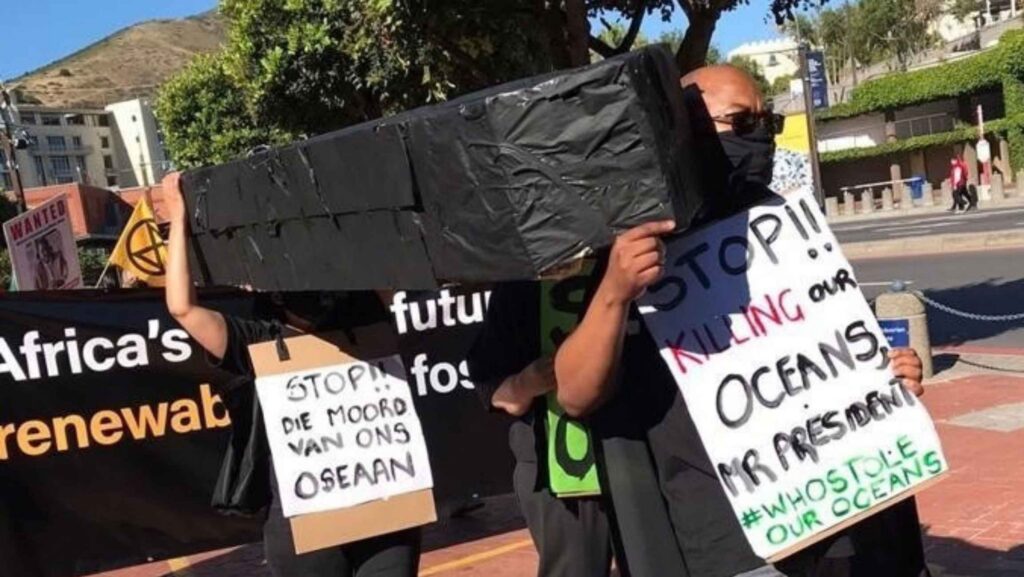
This week (10 November 2021), we joined other environmental defenders in Cape Town to peacefully demonstrate outside the African Energy Week #AEW2021 conference venue demanding an end to fossil fuels and the immediate pivot toward the just transition to a renewable energy future.
CLOSE TO 200 PEOPLE RISE AT CRACK OF DAWN TO PROTEST THE ARRIVAL OF SHELL’S SEISMIC MONSTER, AMAZON WARRIOR
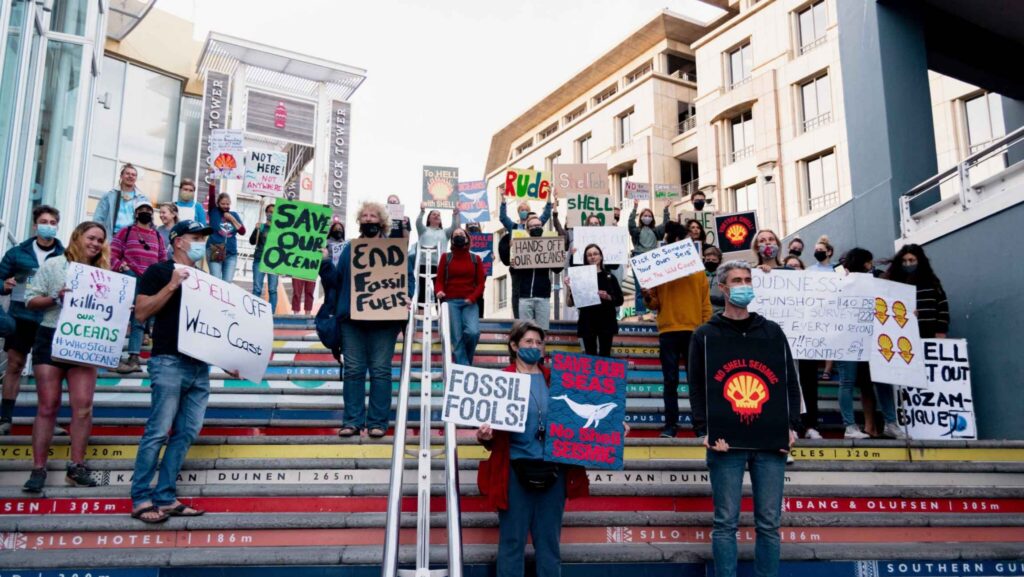
On Sunday morning, (21 November 2021), before the crack of dawn, nearly 200 concerned environmental defenders took to the Waterfront to get a glimpse of Shell’s seismic testing vessel, Amazon Warrior, as it made its way into Cape Town harbour. The vessel travelled down the West coast of Africa, on its way to the Wild Coast, to conduct seismic surveys for an estimated five (5) months.
ENVIRONMENTALISTS DOUBLE-UP ON EFFORTS TO OPPOSE UPCOMING AND FURTHER SEISMIC TESTING IN SOUTH AFRICA’S OCEANS
As the groundswell of opposition against Shell’s upcoming 3D seismic survey off the Transkei builds, the Green Connection – an ecojustice NGO that supports small-scale fishers in advocating for their livelihoods – reacted with astonishment to a press statement issued by the Department of Mineral Resources and Energy (DMRE) on 9 December 2021.
