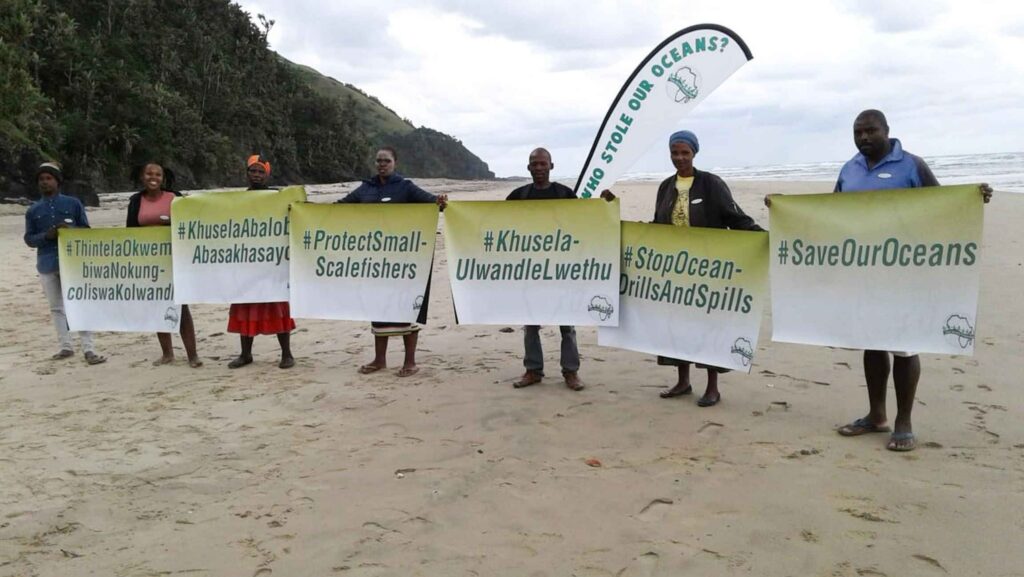
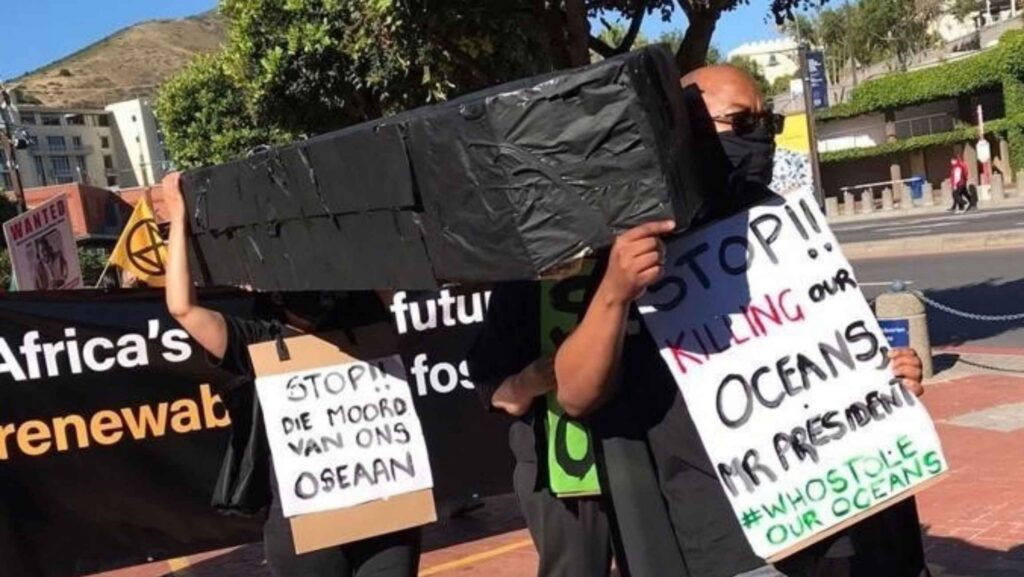
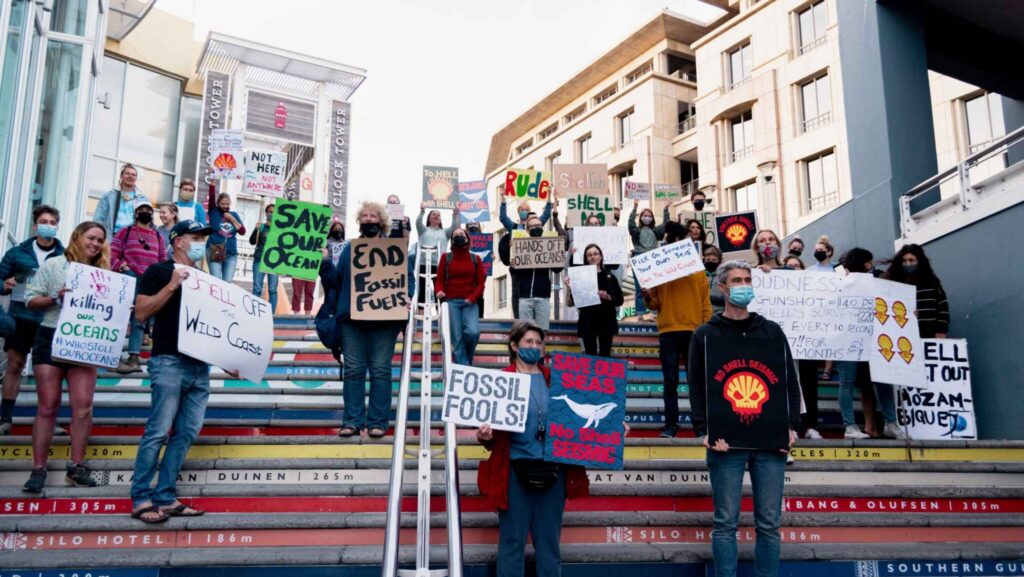
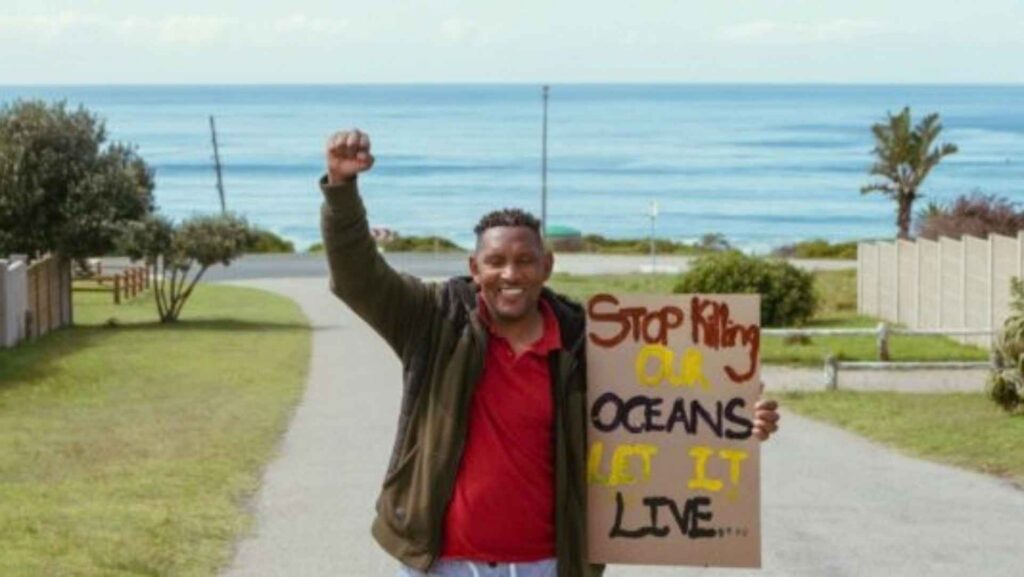
With COP29 just a few weeks away, The Green Connection, Natural Justice, and Masifundise Development Trust are drawing attention to the widespread opposition of the environmental authorisation granted for offshore oil and gas exploration in Block 3B/4B, off South Africa’s West Coast. The eco-justice organisations, along with small-scale fishers and fishing co-operatives – Environmental Traits, Spirit of Endeavour Fisherfolk Women, Moeggesukkel Visserye Cooperative Ltd, West Coast indigenous Movement, Eastern Cape Environmental Network, Aukwotowa Fisheries Co-Op, Lamberts Bay Fishers Primary Co-Op Limited – have filed their appeals against the Department of Mineral Resources and Energy’s approval for this project because it undermines South Africa’s climate goals and does not fully account for all its environmental and socio-economic impacts.
These appeals against the project – by Africa Oil South Africa Corp (AOSAC) and its partners, Ricocure (Pty) Limited and Azinam Limited – follow rising concerns from civil society organisations and coastal communities over the project’s threat to South Africa’s marine ecosystems, which support biodiversity and the livelihoods of many coastal residents. Despite these concerns, the Department of Energy has authorised the project, with TotalEnergies set to take over operations when drilling begins.
The Green Connection’s Strategic Lead, Liz McDaid says, “From a climate perspective, this exploration should never begin. Our focus must be on reducing greenhouse gas (GHG) emissions, as outlined in South Africa’s Integrated Energy Plan (IEP) legislation. How can we justify new fossil fuel projects that contradict our climate commitments under agreements like the Paris Agreement?” McDaid warns of the dangers of methane emissions, noting, “Methane, the main component of natural gas, is 80 times more potent than carbon dioxide in trapping heat over 20 years, accelerating climate change. Continuing oil and gas exploration risks locking us into decades of high emissions, undermining global efforts to limit warming to 1.5°C.”
Key concerns highlighted in the various appeals include inadequate oil spill risk assessments, potential harm to marine life, threats to food security, and a lack of meaningful consultation with affected communities.
David Mtshali from Natural Justice says, “A healthy ocean is vital for marine ecosystems, small-scale fisheries, and eco-tourism—industries that could be devastated by oil spills, habitat disruption, and long-term environmental damage. These industries support thousands of livelihoods, which are now at risk.”
McDaid argues that the economic benefits of exploration are overstated. “Exploration licenses offer no immediate economic benefits and claims of job creation and energy security are speculative. The long-term environmental and economic impacts far outweigh any short-term gains.”
Comments from affected communities and small-scale fishers:
Deborah De Wee Chair of Spirit of Endeavour Fisher Folk says, “We are opposed to any sort of mining because our cultural heritage and health safety we as women organisation unanimously agree that our livelihoods come from this ocean, Doring Bay is 90% unemployed and we cannot allow this in our ocean. The community voice in the 3B/4B area is not considered. At the end of the day, if our oceans are destroyed, this will result in more poverty for our community.”
Melisa Pullen from Moegesukkel says, “I appealed against this oil exploration in 3b/4b. As a fisherwoman, I am concerned. Environmental concerns, such as risks of oil spills & pollution could affect marine life and impact on our livelihoods. As we as fishing communities who depend on fishing. What about climate change? These extractions will contribute to climate change, which will have devasting effects on the environment and our societies. These explorations can lead to air pollution and water pollution. Which could affect our fish population, which could affect our livelihoods, income, culture & heritage. We are never properly consulted when it comes to these decisions relating to our livelihoods.”
Claudine Jansen from Doringbaai, Northern Cape says, “I have put an appeal for AOSAC 3b/4b. I do not support this application, as it will have a disastrous effect on the people staying here. The drilling in the ocean will cause pollution, which will affect the food security of coastal communities. The disruption of the mining will affect the movement of the fish and result in much shorter fishing season. It will lead to less fish, less catch, less money in a town that already is in poverty. Less food to feed in households. People are dependent on catching fish and can live off the sea. The destruction of the seabed will affect marine life.”
“I believe we have voted for a government that is supposed to look after us, in rural areas, towns and cities. I believe there should be alternatives to lack of oil. It is unacceptable to enrich already rich companies. People around the coast will not benefit from this project. There will be no real job opportunities. The only effect is more social economic problems. If there is no money, there is no food. Some people may turn to crime,” Jansen adds.
A fisherman for 45 years from Lamberts Bay, Ernest Titus says, “It was a terrible moment for me to hear about the approval for 3b/4b. These projects could eradicate our fish stocks and harm local tourism, and the reason that proper consultation is vital, but it does not seem like our voices are being fully heard. I am glad that I could submit my comment to help get rid of these oil tycoons. This is how I do my part, for my fellow fishers and for future generations because the decisions that are taken today could affect their legacy.”
Bronwyn Van Neel from Environmental Traits Port Nolloth says, “How much longer do we have to live in fear of big oil and gas projects that benefit no one? How much long do we have to plead and see this is our ocean, our livelihood, our culture, our pride and joy. Oil and water don’t mix. Stop oil and gas explorations.”
As the Minister of Environmental Affairs reviews the appeal, the eco-justice groups and coastal communities urge for greater accountability and consideration of the long-term consequences of offshore oil and gas exploration in the region.